
Understanding inground pool cost helps buyers plan with confidence instead of guessing their way through a major home upgrade. Many homeowners start with a rough number in mind, then feel surprised when real estimates come in higher or vary widely. The truth is that inground pool cost depends on several moving parts, and each one plays a role in the final price. When buyers understand these factors early, they can make smarter decisions and avoid stress during the build process.
This guide breaks down what drives inground pool cost up or down, explains where surprises often appear and helps you plan a realistic budget before construction begins.
Why Inground Pool Cost Varies So Much
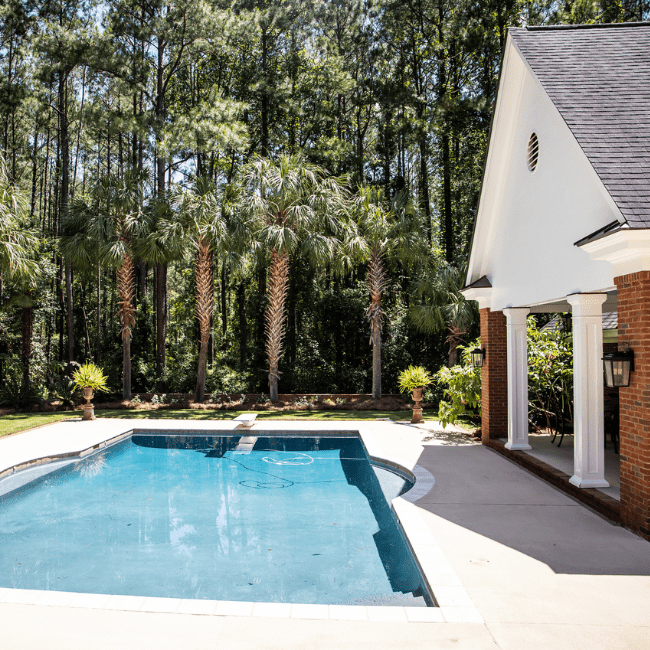
Inground pool cost changes from project to project because no two properties or pool designs look the same. Yard size, layout and access all affect pricing before construction even starts. A flat yard with clear access usually costs less to prepare than a sloped yard or a space with limited equipment access.
Pool type also plays a major role. Fiberglass pools often come with a more predictable base price because the shell arrives pre-formed. Custom inground designs offer more flexibility but can increase costs depending on shape, depth and finish choices. Understanding these differences helps buyers narrow options early instead of redesigning later.
Site Prep and Excavation Costs Add Up
One of the biggest drivers of inground pool cost involves site preparation. Excavation requires heavy equipment, and the difficulty of that work affects pricing. Rocky soil, high water tables or tight access points can increase labor and time.
Utility location also matters. If lines need to move or special precautions apply, costs can rise quickly. These details often surprise buyers who only focus on the pool itself. A realistic budget always includes prep work because it sets the foundation for everything that follows.
Materials and Pool Type Affect the Base Price
Materials influence inground pool cost more than most buyers expect. Fiberglass pools use a manufactured shell, which often reduces installation time and limits design changes. This option appeals to buyers who want a balance of durability and predictable pricing.
Other inground pool styles allow more customization but often increase labor and material costs. The more complex the shape or finish, the higher the price tends to climb. Choosing materials based on how you plan to use the pool, rather than trends alone, helps keep costs aligned with value.
Add-Ons That Raise Inground Pool Cost
Features and upgrades play a major role in inground pool cost. Items like tanning ledges, water features, upgraded lighting and automation systems all add convenience and enjoyment, but they also increase the total investment.
Decking and surrounding hardscape often surprise buyers. The pool might fit the budget, but the space around it needs attention too. Fencing, seating areas and safety features also factor into the final number. Planning these elements together instead of adding them later helps control costs and creates a more finished space.
Permits, Codes and Local Requirements
Permits represent another piece of inground pool cost that buyers sometimes overlook. Local codes often require fencing, alarms or specific setbacks, and HOA guidelines can add additional steps. These requirements vary by location and affect both timing and budget. Handling permits early prevents last-minute changes that can increase costs. When buyers plan for approvals upfront, they protect their timeline and avoid redesign fees.
Common Budget Surprises to Plan For
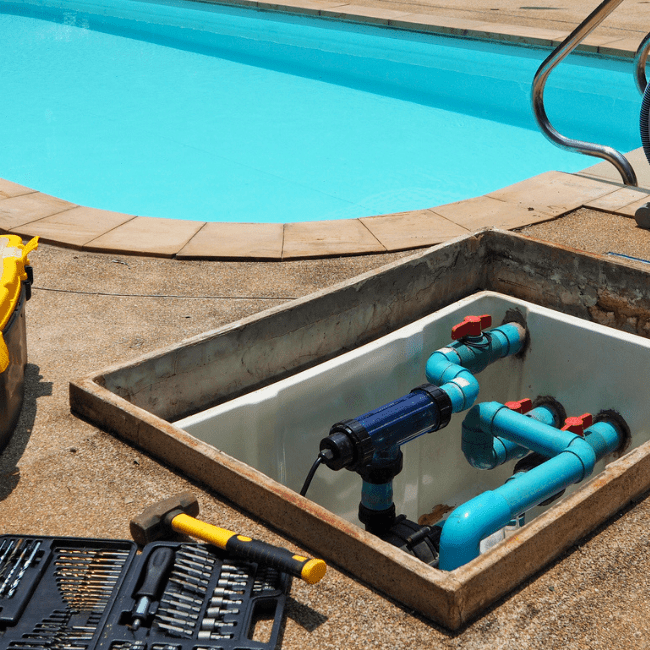
The most common surprise tied to inground pool cost involves underestimating total project scope. Buyers sometimes plan for the pool shell and excavation but forget about drainage, electrical work or landscaping restoration after construction. Another surprise involves timing. Delays due to weather or inspections can increase labor costs if plans stay too tight. Building flexibility into the budget helps absorb these variables without stress.
How Planning Leads to Better Value
A clear understanding of inground pool cost helps buyers focus on value instead of just price. When you plan carefully, you choose features that support long-term use and avoid upgrades that add cost without improving how the pool fits your lifestyle.
Elko Spas, Billiards and Pools helps South Carolina buyers understand inground pool cost in real terms. With clear guidance and thoughtful planning, buyers move forward knowing what to expect and why each choice matters.
FAQs
1. How much does an inground pool usually cost?
Inground pool cost varies widely based on pool type, site conditions and features. Most projects include excavation, materials, permits and surrounding upgrades, which all affect the final number.
2. What factors increase inground pool cost the most?
Site preparation, complex designs and added features tend to raise inground pool cost the most. Difficult access or unexpected soil conditions can also increase labor and time.
3. Can inground pool cost change after construction starts?
Yes. Costs can change if design decisions shift, site conditions differ from expectations or additional features get added. Clear planning helps reduce these surprises.