Choosing between a plug and play hot tub vs 220V setup often becomes the biggest decision for first-time buyers. Many shoppers love the idea of easy setup, but they also worry about performance, heating time and long-term satisfaction. Understanding how each option works removes confusion and helps buyers feel confident moving forward.
This guide breaks down the real differences between a plug and play hot tub vs 220V hot tub so you can decide which option fits your home, your family and your lifestyle in South Carolina.
Understanding the Real Difference Between Plug-and-Play and 220V
The main difference in a plug and play hot tub vs 220V comes down to electrical power. Plug and play hot tubs use standard household outlets. Most run on 110 to 120 volts. A 220V hot tub requires a dedicated electrical connection installed by a licensed electrician.
Plug and play models focus on convenience and flexibility. A 220V hot tub focuses on power, speed and advanced performance. Neither option is better for everyone. The right choice depends on how you plan to use your spa.
Why Some Buyers Love Plug-and-Play Hot Tubs
A plug and play hot tub appeals to buyers who want simple setup with fewer steps. These models work well for homeowners who want to avoid electrical upgrades or who plan to place a spa in a garage, patio or flexible outdoor space.
Plug and play hot tubs heat water more slowly and often reduce jet power while the heater runs. For casual use, this setup still delivers a relaxing soak. Many first-time buyers feel more comfortable starting with this option because it removes installation anxiety.
Freeflow offers plug and play models designed for easy ownership. These spas fit families who want flexibility, faster delivery and straightforward operation. In South Carolina, plug and play hot tubs also work well for seasonal homes, Airbnbs or properties where permanent electrical work is not ideal.
When a 220V Hot Tub Makes More Sense
A 220V hot tub delivers higher performance across the board. With more power available, these spas heat faster and maintain water temperature even when jets run at full strength. Families who soak often or enjoy longer sessions usually prefer this option.
In the plug and play hot tub vs 220V comparison, 220V models also offer more seating options, stronger massage and advanced features. These spas work well for homeowners who plan frequent use or want a premium wellness experience at home.
Hot Spring spas use 220V systems to support powerful jets, consistent heat and efficient energy use. For South Carolina homeowners who soak year round, this setup supports reliable performance in all seasons.
Heating Speed and Water Temperature Differences
Heating speed remains one of the biggest differences in a plug and play hot tub vs 220V discussion. Plug and play hot tubs heat water gradually and can struggle to maintain temperature during extended use.
A 220V hot tub heats faster and holds temperature more consistently. This matters for families who soak together or for buyers who want the spa ready without long wait times.
If you enjoy spontaneous evening soaks or host guests often, faster heating becomes a major advantage.
Jet Performance and Massage Experience
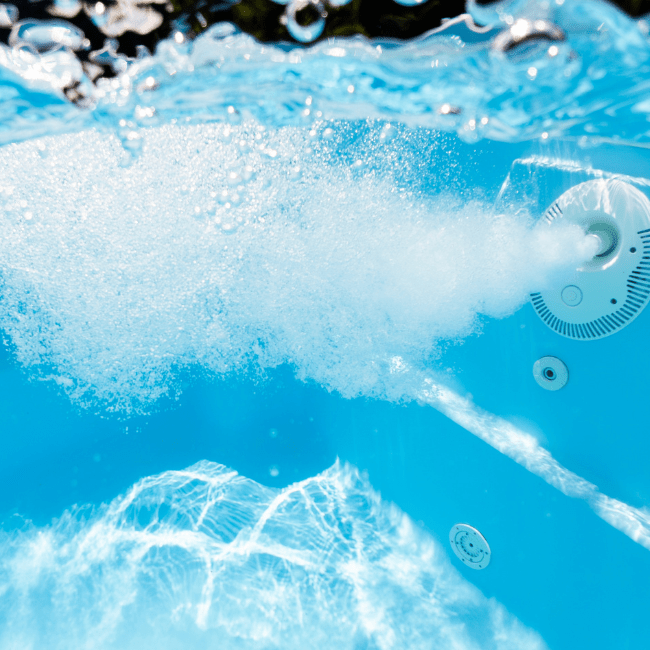
Jet strength also separates a plug and play hot tub vs 220V setup. Plug and play spas often reduce jet power when the heater runs. This design protects the electrical system but limits massage intensity.
A 220V hot tub powers the heater and jets at the same time. This allows for deeper muscle relief and a more therapeutic experience. Buyers focused on recovery, stress relief or wellness routines often prefer this option.
Energy Use and Monthly Costs
Energy use depends on how often you soak and how well the spa retains heat. Plug and play hot tubs use less power at once, but they often run longer to maintain temperature.
A 220V hot tub uses more power upfront but heats faster and cycles more efficiently. Over time, the difference in monthly cost can be smaller than many buyers expect.
In South Carolina, good insulation and proper covers matter more than voltage alone when managing energy costs.
Installation and Placement Considerations
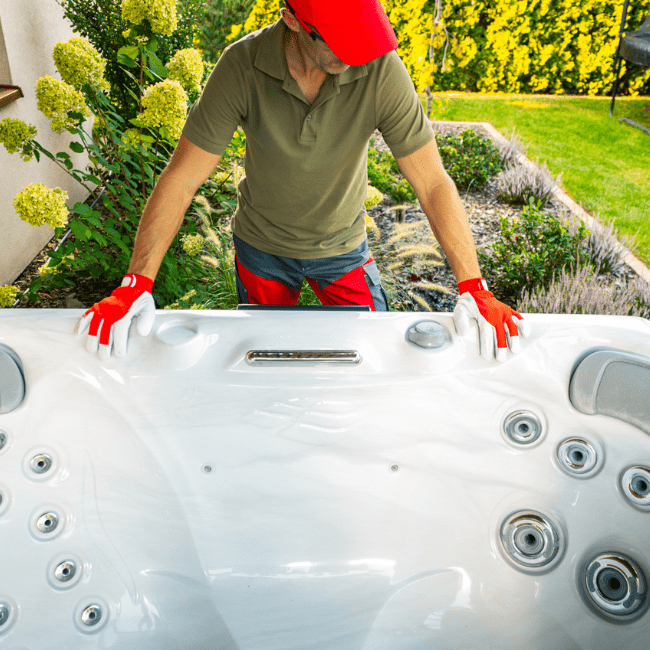
Plug and play hot tubs offer the easiest installation. You place the spa, fill it and plug it in. This simplicity works well for renters, Airbnbs or homeowners who want flexibility.
A 220V hot tub requires professional electrical work. While this adds cost upfront, it also supports long term performance and resale value. Many homeowners view this as an investment in comfort and durability.
Which Option Fits Your Lifestyle Best?
Choosing between a plug and play hot tub vs 220V depends on how you plan to use your spa. Casual users who value simplicity often choose plug and play models. Frequent users who want powerful massage and fast heating often choose 220V spas.
Families, wellness focused buyers and year round users usually lean toward 220V systems. Vacation homes, secondary properties and first-time buyers often feel more comfortable starting with plug and play.
Clear Guidance Makes the Decision Easier
Understanding the differences in a plug and play hot tub vs 220V removes one of the biggest buying barriers. Both options offer relaxation and enjoyment when matched to the right situation.
Elko Spas, Billiards and Pools helps buyers compare options based on real use, not sales pressure. Whether you choose a Freeflow plug and play model or a 220V Hot Spring spa, expert guidance helps you choose with confidence.
Visit Elko Spas, Billiards and Pools to see both options in person and find the setup that fits your space, schedule and wellness goals.
FAQs
1. Can I convert a plug and play hot tub to 220V later?
Some plug and play hot tubs can be converted to 220V with proper electrical work, but not all models support conversion. Always confirm conversion options before purchasing if you want flexibility later.
2. Does a 220V hot tub cost more to maintain?
A 220V hot tub does not always cost more to maintain. Faster heating and efficient insulation can balance energy use, especially for frequent users.
3. Which option is better for South Carolina weather?
Both options work in South Carolina, but 220V hot tubs perform better for year round use. Plug and play models work well for lighter use or seasonal soaking.