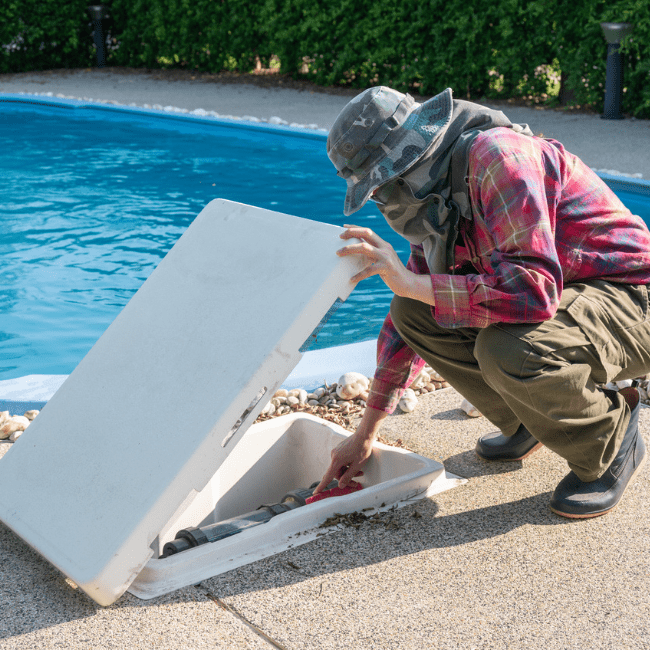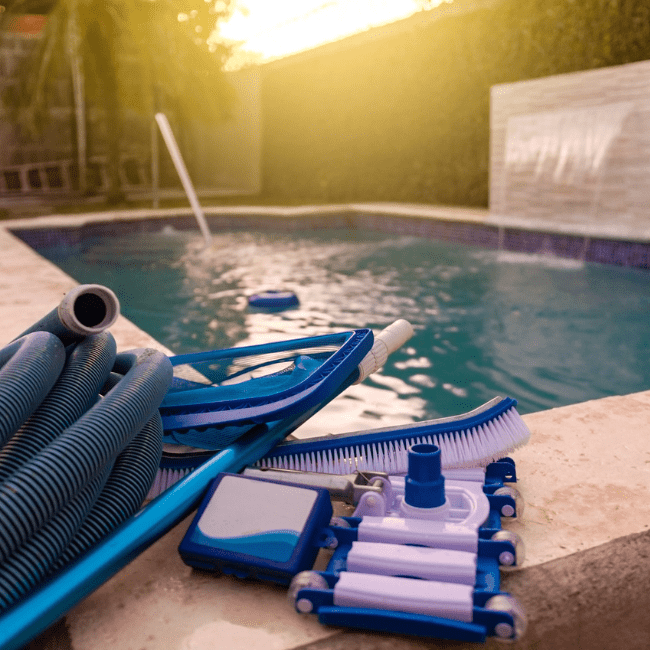
Pool filter cleaning matters more as summer use picks up because your filter has to catch more sunscreen, pollen, leaves, dirt and swimmer debris. When the filter gets clogged or worn out, water can turn cloudy, circulation can weaken and chemicals can stop working the way they should. A clear schedule for pool filter cleaning helps South Carolina homeowners keep water cleaner, protect equipment and avoid service problems during the busiest part of pool season. If your pool starts looking dull or the water feels harder to balance, the filter should be one of the first places to check.
Why Pool Filter Cleaning Matters For Clear Water
Pool filter cleaning helps keep water clear by removing the small particles that pumps and chemicals cannot handle alone. The filter works every time the system runs, which means it plays a direct role in water clarity, comfort and overall pool health. When the filter stays clean, water moves through the system more easily and chemicals circulate better throughout the pool. When the filter gets clogged, the system has to work harder, and that can lead to weak flow, pressure changes and cloudy water that keeps coming back even after chemical adjustments.
How Often Should You Clean A Pool Filter In Summer?
Most pools need filter attention every few weeks during heavy summer use, but the right schedule depends on the type of filter, swimmer load, weather and surrounding trees or landscaping. Pools that see daily family use, HOA traffic or Airbnb guests often need more frequent cleaning than pools used only on weekends. South Carolina heat, storms and pollen can also increase the amount of debris moving through the system. A consistent cleaning schedule helps prevent buildup before it affects water clarity or places extra strain on the pump.
What Are The Signs Your Pool Filter Needs Cleaning?
Common signs that your pool filter needs cleaning include weak return flow, higher filter pressure, cloudy water, debris that keeps returning and a pump that sounds like it is working harder than normal. These signs show that water is not moving through the filter as easily as it should. If the pool looks cloudy even after testing and chemical balancing, the filter might have too much buildup to do its job. Cleaning the filter early can restore better circulation and help the pool recover faster.
When Should A Pool Filter Be Replaced Instead Of Cleaned?
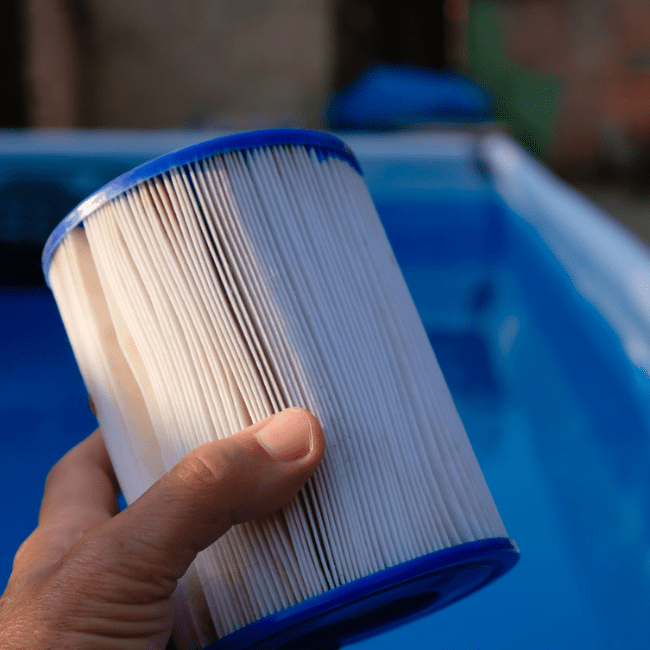
A pool filter needs replacement when cleaning no longer improves flow, pressure or water clarity. Cracked cartridges, torn pleats, damaged grids or worn filter media can no longer trap debris effectively, even after a thorough cleaning. Filters also lose performance over time from normal use, especially during long pool seasons. If you keep cleaning the filter and the same problems return, replacement might make more sense than repeating the same short-term fix.
How Do Clean Filters Protect Pool Equipment?
Clean filters protect more than water clarity because they also reduce strain on the pump and circulation system. When water moves freely, the pump does not have to work as hard to push water through the system. Clogged filters can increase pressure and force equipment to run under stress, which can shorten its life and lead to repairs. Regular pool filter cleaning helps the whole system run more smoothly and supports better long-term performance.
When Should You Call For Pool Filter Service?
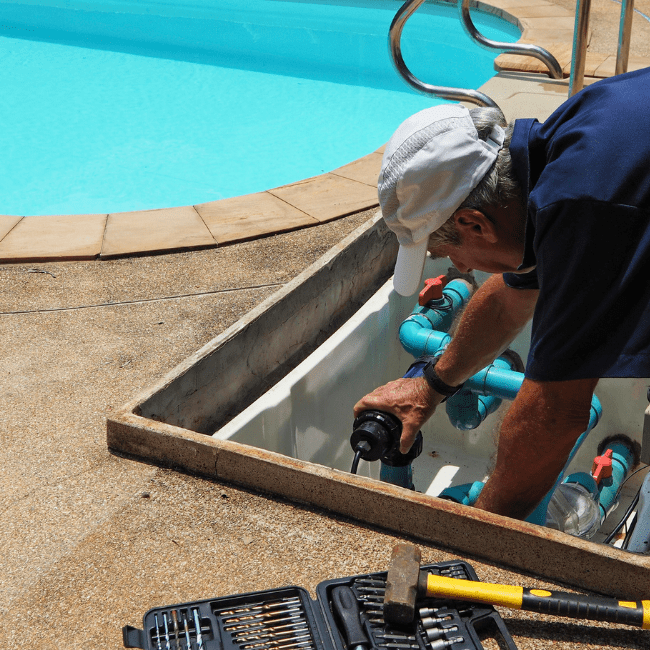
You should call for pool filter service when cleaning does not improve water clarity, pressure stays too high or low or the filter shows signs of damage. Elko Spas, Billiards and Pools helps South Carolina homeowners inspect filters, test water and keep pool systems ready for summer use. If your pool water keeps turning cloudy or your equipment seems to work harder than usual, scheduling service can help catch the problem before it turns into a larger repair.
FAQs
1. How Do I Know If My Pool Filter Is Dirty?
A dirty pool filter often causes weak water flow, cloudy water, rising pressure or debris that does not clear from the pool. If these issues continue after basic cleaning, the filter needs closer inspection.
2. Can A Dirty Pool Filter Make Pool Water Cloudy?
Yes. A dirty pool filter can make pool water cloudy because it cannot remove fine debris from the water. Poor filtration also makes chemicals less effective because water does not circulate properly.
3. How Long Does A Pool Filter Last?
A pool filter’s lifespan depends on filter type, pool use and maintenance habits. Filters that serve high-use pools or handle heavy debris often need replacement sooner than filters in lighter-use pools.