Many pool owners hear “saltwater” and think it means no chlorine or no maintenance, but that is not how these systems work. The biggest difference between saltwater pool maintenance and traditional pool maintenance comes down to how sanitizer gets added to the water. A traditional pool uses manually added chlorine, while a saltwater pool uses a salt chlorine generator to create chlorine from salt in the water. Both pools still need testing, balancing, cleaning and equipment checks to stay clear, safe and comfortable.
For South Carolina homeowners, the right choice often depends on how hands-on they want to be with water care. Warm weather, heavy swim days, storms and pollen can affect both systems, so neither option takes care of itself. Understanding the care differences helps pool owners choose a system that fits their schedule, comfort level and long-term maintenance goals.
What Is The Main Difference In Saltwater Pool Maintenance?
The main difference in saltwater pool maintenance is that the system creates chlorine instead of requiring the owner to add chlorine by hand as often. A salt chlorine generator converts salt into chlorine, which helps keep sanitizer levels more steady when the system works correctly. Traditional pools rely on regular chlorine additions through tablets, liquid chlorine or other pool products. This means traditional pool owners often spend more time checking sanitizer levels and adding products, while saltwater pool owners spend more time monitoring the generator, salt level and cell condition.
Do Saltwater Pools Still Need Chemicals?
Yes, saltwater pools still need chemicals because they still require balanced water. Pool owners must test pH, alkalinity, calcium hardness and sanitizer levels to keep the water clear and protect the equipment. Saltwater systems often create a steadier sanitizer level, but they do not prevent every water issue. Rain, heat, sunscreen, leaves and heavy use can still throw the water out of balance. Traditional pools need the same core testing, but owners usually adjust chlorine levels more often since no generator produces sanitizer for them.
How Does Equipment Care Differ Between The Two?
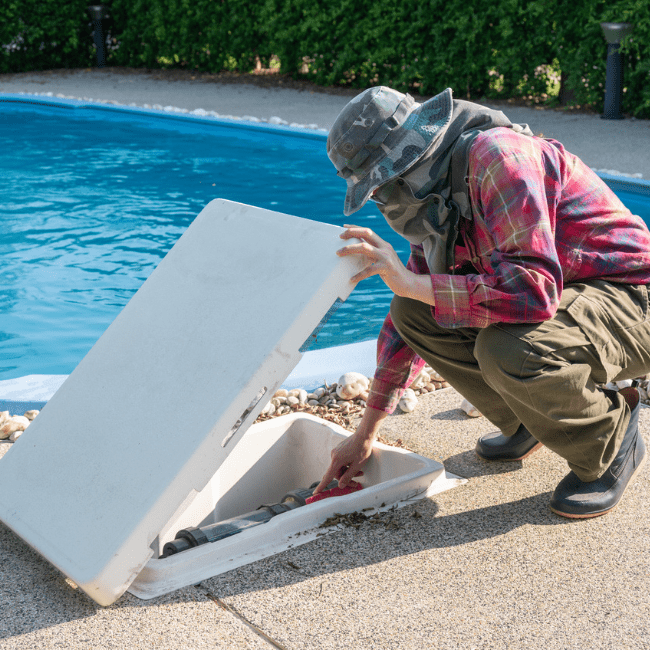
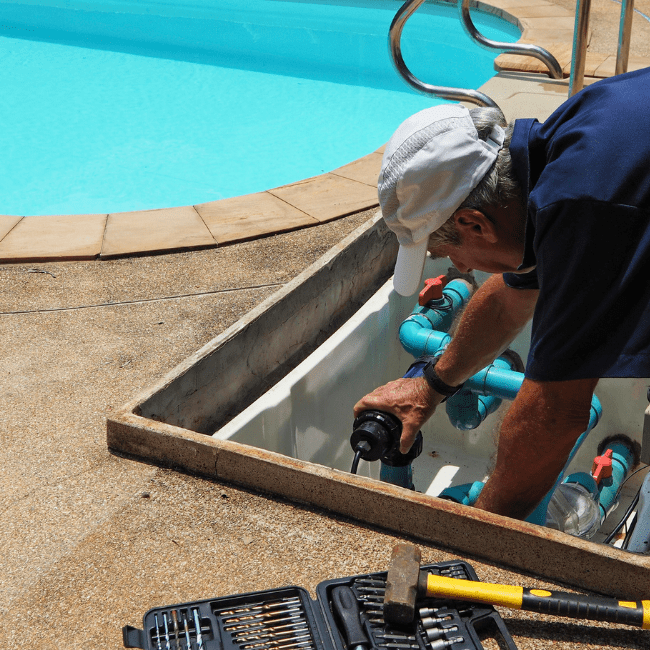
Saltwater pool maintenance includes caring for the salt chlorine generator and cleaning the salt cell when buildup appears. This part matters because a dirty or failing cell cannot create chlorine properly, which can lead to cloudy water or algae growth. Traditional pools do not have a salt cell, but they still require pump, filter and circulation checks. Both systems need clean filters, strong water flow and reliable equipment to work well. If circulation weakens, neither type of pool can stay balanced for long.
Which Pool Type Takes Less Weekly Work?
Saltwater pools often take less weekly sanitizer work, but they still require regular attention. Owners still need to test water, clean filters, check the salt level and make sure the generator works correctly. Traditional pools can take more hands-on chemical work because chlorine must be added and adjusted more often. However, both pool types can become difficult to manage without consistent testing and service. A pool that gets heavy use, sits in full sun or handles frequent storms can need more care no matter which system it uses.
When Should You Get Professional Pool Water Testing?
You should get professional water testing when the pool looks cloudy, sanitizer levels keep changing, the salt system shows errors or the water feels hard to balance. Professional testing helps identify whether the problem comes from chemistry, filtration, salt levels, circulation or equipment performance. Elko Spas, Billiards and Pools helps South Carolina homeowners care for both traditional and saltwater pools with accurate water testing, chemical support and service guidance. With the right routine, either pool type can stay clear, comfortable and ready for summer fun.
FAQs
1. Is A Saltwater Pool Easier To Maintain Than A Traditional Pool?
A saltwater pool can feel easier because the system creates chlorine for you, but it still needs regular testing, salt checks, filter care and equipment maintenance. It reduces some hands-on chemical work, but it does not remove pool care completely.
2. Do Saltwater Pools Have Chlorine?
Yes, saltwater pools have chlorine because the salt chlorine generator creates chlorine from salt. The difference is how the chlorine enters the water, not whether chlorine exists in the pool.
3. Which Pool Is Better For South Carolina Weather?
Both traditional and saltwater pools can work well in South Carolina with proper care. Saltwater systems can offer steadier sanitizer support during frequent use, while traditional pools give owners direct control over chlorine levels.