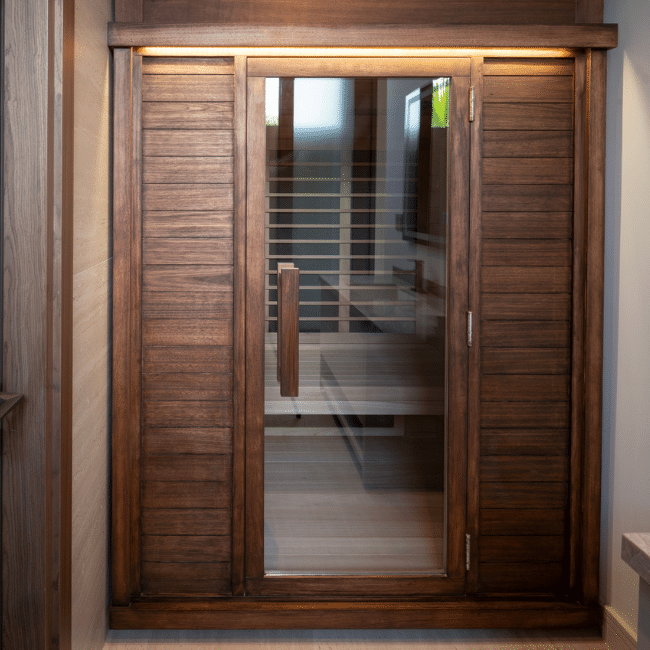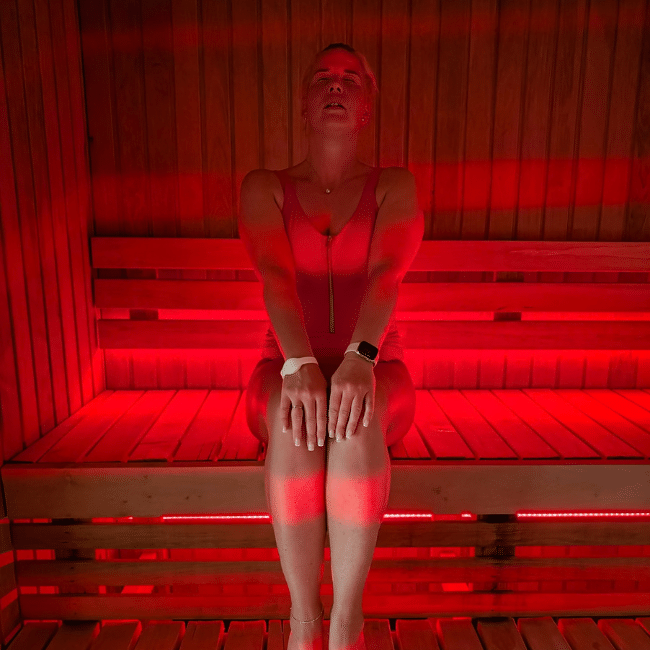
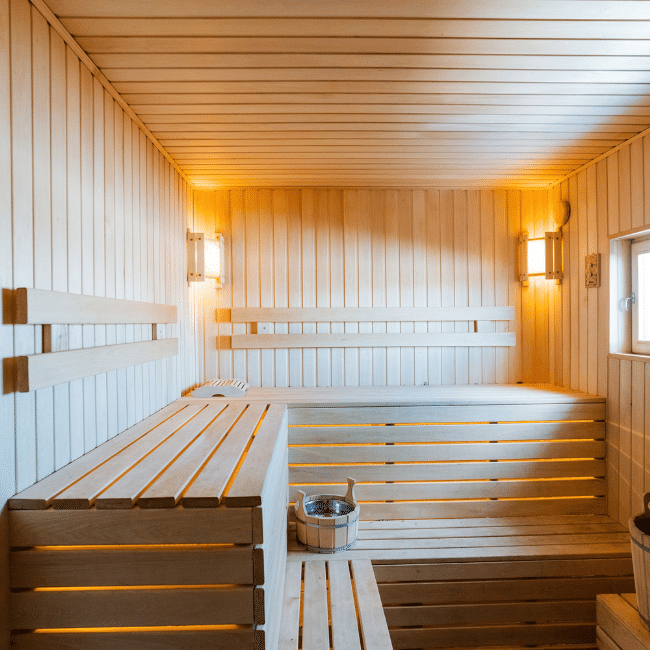
An outdoor sauna can create a private backyard retreat, while an indoor sauna can offer easier access and more protection from weather. The better choice depends on where you have space, how often you plan to use the sauna, what installation the property can support and which setting will make the sauna easiest to enjoy. For Myrtle Beach and Grand Strand homeowners, humidity, rain and coastal weather should also become part of the decision.
Is An Indoor Or Outdoor Sauna Better?
Neither an indoor nor outdoor sauna works best for every home. An indoor sauna can fit naturally into a wellness room, home gym or other dedicated interior space while keeping the walk to and from the sauna short. An outdoor sauna can create more separation from the house and make the experience feel like its own destination. The right choice should balance convenience, privacy, available space, electrical access, ventilation and long-term maintenance rather than focusing on appearance alone.
What Are The Advantages Of An Indoor Sauna?
An indoor sauna offers convenience because homeowners can use it without walking outside in rain, cold weather or darkness. That easy access can make it simpler to turn sauna sessions into a regular routine instead of something reserved for certain days. Indoor placement can also protect the sauna from direct exposure to storms, wind and outdoor debris.
The tradeoff comes from planning the room correctly. An indoor sauna needs enough space, proper ventilation, electrical access and a layout that allows comfortable entry and exit. Homeowners should think beyond whether the sauna physically fits. The surrounding space should also support airflow, safe movement and the way people will use the area before and after each session.
What Are The Advantages Of An Outdoor Sauna?
An outdoor sauna can create a dedicated wellness retreat away from the normal activity inside the home. For homeowners with limited interior space, it can also open possibilities without giving up a bedroom, workout area or other indoor room. Privacy screens, landscaping and thoughtful placement can make an outdoor sauna feel like a natural part of a backyard wellness space.
An outdoor setup also works well for homeowners who want to combine sauna use with other backyard features. A hot tub, cold plunge, seating area or outdoor shower can become part of the same wellness zone when the layout allows it. The key is planning the area as one connected space rather than placing each feature wherever there happens to be room.
What Should You Consider Before Choosing An Outdoor Sauna?
Before choosing an outdoor sauna, consider weather exposure, foundation, drainage, electrical access, privacy and the walking path from the house. The sauna needs a stable location that can support the structure and keep water from collecting around it. Homeowners should also think about how the area feels after dark and during bad weather.
Convenience matters more than people sometimes expect. An outdoor sauna tucked into the far corner of a large yard might look beautiful, but homeowners might use it less if reaching it feels inconvenient. A successful outdoor sauna should feel private without becoming difficult to access.
How Does Myrtle Beach Weather Affect Outdoor Sauna Planning?
Myrtle Beach weather makes protection from humidity, heavy rain, storms and coastal exposure an important part of outdoor sauna planning. The Grand Strand offers a long outdoor living season, which can make a backyard sauna appealing, but coastal conditions also mean homeowners should pay close attention to placement and surrounding materials.
Good drainage becomes especially important during periods of heavy rain. The sauna should not sit in a low area where water collects. Homeowners closer to the coast should also think about exposure to salt air when planning the overall wellness area. A thoughtful location can help make ownership simpler while keeping the sauna easy to reach throughout the year.
Does Sauna Ventilation Change Indoors Vs. Outdoors?
Sauna ventilation matters in both indoor and outdoor installations, but the surrounding environment changes how homeowners need to approach it. An indoor sauna sits within the home, so airflow planning needs to work with the room and surrounding interior space. An outdoor sauna still needs proper ventilation within the sauna itself, even though the structure sits outside.
Ventilation should never become an afterthought. It affects how the sauna environment feels and should form part of the installation plan from the beginning. The exact requirements depend on the sauna, heater and layout, which is why homeowners should review ventilation needs before choosing the final location.
Do Indoor And Outdoor Saunas Have Different Electrical Needs?
Both indoor and outdoor saunas can require careful electrical planning. The specific requirements depend on the sauna model, heater and installation, not simply whether it sits inside or outside. An indoor location could offer easier access to existing electrical systems, while an outdoor installation might require additional planning to reach the sauna safely.
Homeowners should confirm electrical requirements before committing to a location. A qualified professional should handle electrical work rather than trying to adapt the setup after the sauna arrives. Thinking through electrical access early can also help compare two possible locations and avoid choosing a site that creates unnecessary installation challenges.
Which Sauna Location Offers More Privacy?
An indoor sauna often offers natural privacy because it sits inside the home, but an outdoor sauna can feel just as private with good placement. Fencing, landscaping, privacy screens and the direction of doors or windows can all help create a more secluded backyard wellness area.
Homeowners should look at the space from several angles before deciding. Consider neighbors, nearby roads, second-story windows and other areas of the property. The goal is to create a setting where users can move between the sauna and surrounding wellness space comfortably without feeling exposed.
Can You Combine An Outdoor Sauna With A Cold Plunge Or Hot Tub?
Yes, an outdoor sauna can work well as part of a larger wellness area with a cold plunge or hot tub when the property supports the layout. Keeping these features reasonably close can make transitions easier and create a more intentional experience. Homeowners should still allow enough space for safe walking, drainage, service access and each product’s installation needs.
This is also where planning the full space before buying individual products becomes valuable. A Tylö sauna, hot tub and cold plunge should not compete for room or block access to one another. Thinking about the whole wellness area first can create a cleaner layout and a space that feels easier to use.
How Should You Decide Between Indoor And Outdoor?
Start by asking which location you will actually use most often. Then compare available space, privacy, weather exposure, electrical access, ventilation, drainage and the distance from your normal routine. An indoor sauna often wins on convenience and protection, while an outdoor sauna can offer more separation and a stronger retreat-like atmosphere.
Elko Spas, Billiards and Pools can help Myrtle Beach and Grand Strand homeowners think through Tylö sauna placement before committing to an indoor or outdoor setup. Planning the location first helps buyers choose a sauna that fits the property as well as the wellness routine they want to build.
Create A Sauna Space You Will Want To Use
Indoor and outdoor saunas can both become valuable parts of a home wellness space, but the right location should make regular use feel simple. Think about access, privacy, weather, ventilation, electrical needs and the surrounding layout before deciding. Elko Spas, Billiards and Pools can help Grand Strand homeowners explore Tylö sauna options and plan a location that works with their home, backyard and everyday routine.
FAQs
1. Is An Outdoor Sauna A Good Choice In Myrtle Beach?
An outdoor sauna can work well in Myrtle Beach when homeowners plan for humidity, heavy rain, drainage, storms and coastal exposure. The location should also offer stable support, convenient access and enough privacy to make regular use comfortable.
2. Is An Indoor Sauna Easier To Maintain?
An indoor sauna can have less direct exposure to outdoor weather, debris and storms, which can simplify some parts of ownership. However, indoor saunas still need regular cleaning, ventilation checks and routine maintenance to stay in good condition.
3. How Close Should An Outdoor Sauna Be To The House?
An outdoor sauna should sit close enough to make access convenient while still fitting the property’s electrical, drainage, privacy and installation needs. The best distance depends on the home’s layout, so homeowners should plan the full route between the house and sauna before choosing a location.