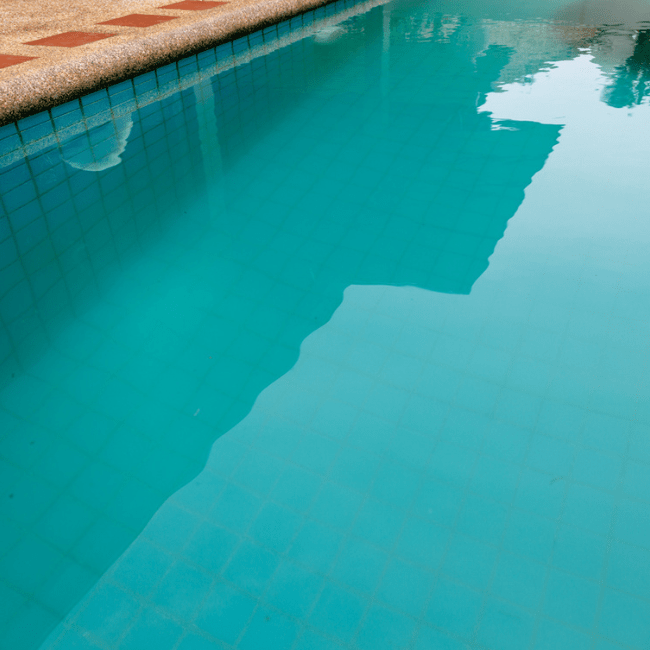
Cloudy pool water usually means your pool needs better filtration, water balance or service support. The best cloudy pool water solutions start with testing the water, checking the filter, reviewing swimmer load and looking at recent weather. In South Carolina, warm temperatures, storms, sunscreen, pollen and heavy pool use can all make clear water turn dull fast. When homeowners understand what causes cloudy water, they can fix the issue sooner and keep the pool ready for family, guests or rental visitors.
What Cloudy Pool Water Solutions Should You Try First?
The first cloudy pool water solutions should focus on water testing and filtration because those two areas solve many common clarity problems. Start by checking sanitizer, pH and alkalinity levels so you know whether the water is balanced or drifting out of range. Then look at the filter and pump to make sure water moves through the system correctly. If the filter is dirty or circulation feels weak, chemicals cannot spread evenly and debris stays suspended in the water. Testing before adding more products helps avoid guesswork and prevents chemical overload.
Why Does Pool Water Turn Cloudy After Heavy Use?
Pool water often turns cloudy after heavy use because swimmers add sweat, sunscreen, oils and debris to the water. Families, HOAs and Airbnb owners see this more often during warm months when pools get used daily. Even when the water looked clear earlier in the week, a busy weekend can push the pool past what the sanitizer and filter can handle. When swimmer load increases, the pool needs more attention, better circulation and accurate chemical adjustments to return to a clear, comfortable state.
Can Weather Make Pool Water Cloudy?
Weather can change pool water fast, especially in South Carolina where heat, humidity and storms affect outdoor pools. Rain can dilute chemicals, wind can blow debris into the pool and hot weather can lower sanitizer levels faster. Pollen and yard debris can also add fine particles that make water look hazy. After storms or long stretches of heat, homeowners should test the water and check the filter instead of waiting for the cloudiness to clear on its own. Quick action helps stop cloudy water from turning into algae or a larger service issue.
How Does Filtration Affect Cloudy Pool Water?
Filtration plays a major role in clear water because the filter removes particles that chemicals alone cannot fix. If the filter is clogged, worn or not running long enough, water can stay cloudy even when chemical levels look close to normal. Weak return jets, high filter pressure or debris collecting in the pool can all point to a filtration problem. Cleaning or replacing the filter can help, but ongoing cloudiness means the full system needs a closer look. Good circulation and clean filtration keep water moving, which helps chemicals work the way they should.
When Should You Call For Pool Testing Or Service?
You should call for pool testing or service when cloudy water does not improve after basic cleaning, filter checks and water testing. Persistent cloudiness can point to poor circulation, chemical imbalance, filter trouble or equipment issues that need professional attention. Elko Spas, Billiards and Pools helps South Carolina homeowners find the cause of cloudy pool water and choose the right solution before the problem gets worse. If your pool looks dull, hazy or hard to clear, professional testing and service can help get your water back on track.
FAQs
1. Why Is My Pool Cloudy Even Though The Chemicals Look Fine?
Your pool can stay cloudy even when chemicals look fine if the filter is dirty, circulation is weak or fine particles remain suspended in the water. Professional testing can confirm whether the issue comes from water balance, filtration or equipment performance.
2. How Do I Clear Cloudy Pool Water Fast?
The fastest way to clear cloudy pool water starts with accurate water testing, filter cleaning and proper circulation. Adding chemicals without knowing the real issue can make the problem harder to fix.
3. Should I Swim In Cloudy Pool Water?
You should avoid swimming in cloudy pool water until you know the cause. Cloudiness can point to poor water balance, low sanitizer or filtration problems that affect swimmer comfort and safety.