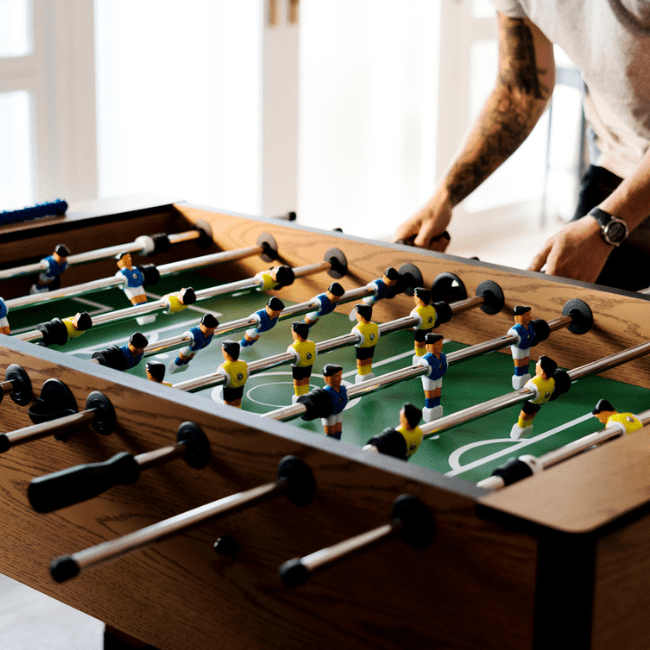
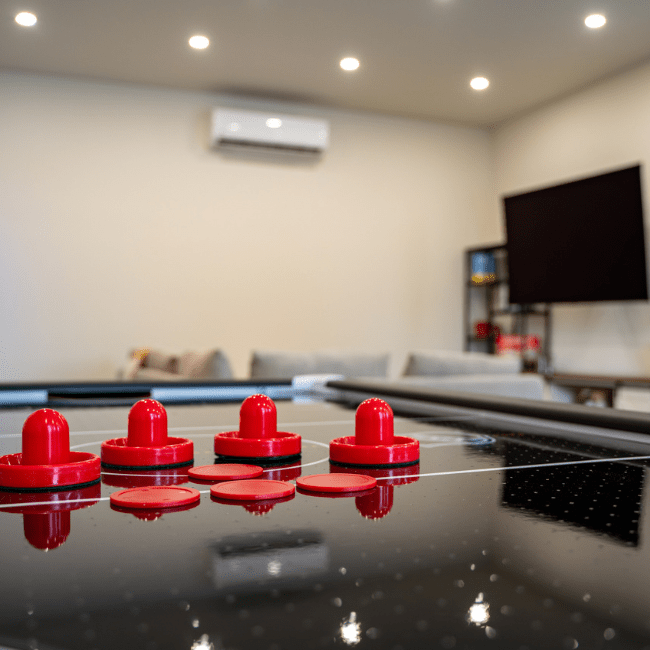
A great community game room does more than fill an empty amenity space. It gives residents a place to gather, relax and connect without leaving the neighborhood. Strong game room layout for HOAs helps make that happen by turning pool tables, shuffleboard, darts and seating into a space that feels open, durable and easy to enjoy. When the layout works well, residents use the room more often, and the community gets more value from the investment.
For HOAs and community centers in South Carolina, design matters because shared spaces see more traffic than private home game rooms. The room needs to look good, hold up to repeated use and support different ages and skill levels without feeling crowded.
Why Game Room Layout for HOAs Starts With Traffic Flow
A smart game room layout for HOAs starts with how people move through the space. Residents should be able to walk between games, seating and entry points without squeezing around furniture or stepping into someone’s playing area. Clear pathways help the room feel safer, more comfortable and less chaotic during busy times.
Traffic flow also affects how long people stay. If the room feels cramped or awkward, residents often leave sooner or avoid the space altogether. A clean layout with open walkways helps the room feel welcoming, especially when multiple groups use it at the same time.
Pool Table Spacing Sets the Tone for the Whole Room
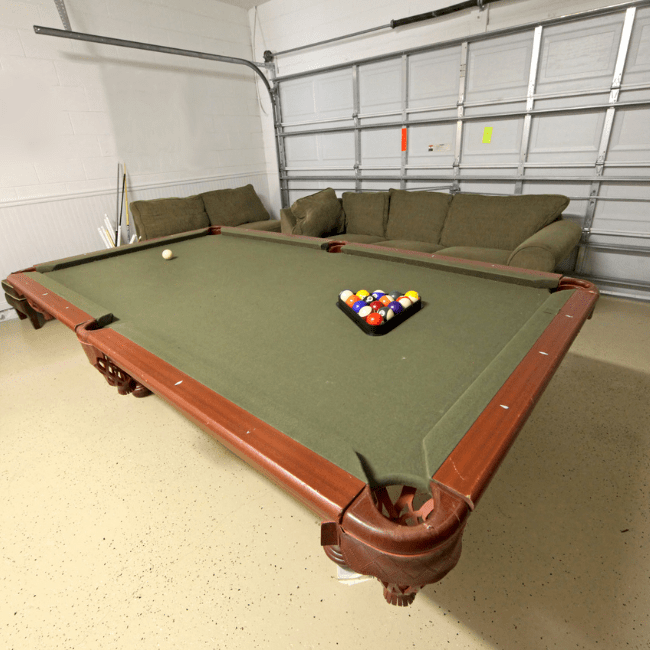
Pool tables often become the centerpiece of a community game room, but they need enough space to play correctly. A strong layout accounts for cue clearance on every side, not just the size of the table itself. Without enough room, players bump walls, furniture or other guests, which can make the game frustrating.
Olhausen pool tables work well in shared spaces because they offer long-term quality and strong play performance. For HOAs, investing in durable equipment and giving it the space it needs helps protect both the table and the resident experience.
Shuffleboard and Darts Add Variety Without Taking Over
The best game room layout for HOAs includes more than one activity so residents have choices. Shuffleboard works well because it encourages social play without requiring the same amount of space as some larger games. Dart boards can also fit nicely into community rooms, but they need safe placement with clear throwing lanes and proper wall protection.
These features add energy and variety without overwhelming the space. When planned well, they create activity zones that let multiple residents enjoy the room at once.
Seating Makes the Room Feel Like a Gathering Place
A community game room should include comfortable seating because not everyone wants to play the whole time. Seating areas give residents a place to talk, watch games or relax between turns. The key is placing furniture where it supports the room instead of blocking movement.
Durable seating also matters in HOA and community center settings. Furniture should handle frequent use while still making the room feel comfortable and inviting. A good layout balances activity and rest so the space feels useful for both players and guests.
Durable Choices Protect Long-Term Value
A successful game room layout for HOAs depends on equipment and finishes that can handle steady use. Pool tables, shuffleboard tables, dart boards, seating and flooring should all match the demands of a shared space. Choosing durable pieces upfront helps reduce repairs, replacements and resident complaints later.
Elko Spas, Billiards and Pools helps South Carolina HOAs and community centers plan game rooms that feel organized, attractive and built for real use. With the right layout and quality equipment, a shared game room can become one of the most popular amenities in the community.
FAQs
1. How much space does an HOA game room need?
An HOA game room needs enough space for games, seating and clear walkways. Pool tables require extra room on all sides for cue movement, while shuffleboard and darts need safe playing lanes.
2. What games work best in community game rooms?
Pool tables, shuffleboard and dart boards work well because they encourage social play and fit a range of ages and skill levels. The best mix depends on room size and expected use.
3. Why does layout matter in a shared game room?
Layout affects safety, comfort and how often residents use the space. A well-planned room keeps traffic moving, protects equipment and makes the amenity feel more inviting.