HOA pool service includes water testing, chemical balancing, cleaning, filter care, equipment checks, safety reviews and preventive maintenance for shared community pools. HOA boards and property managers need a service plan that supports daily use, resident expectations and peak-season traffic. A clean, clear and working pool helps protect the community experience and reduces the stress that comes with complaints, equipment problems and last-minute service needs.
Why Does HOA Pool Service Matter?
HOA pool service matters because community pools serve more people than a typical backyard pool. Residents, families, guests and seasonal homeowners often use the same pool throughout the week, which puts more demand on the water, filters, pumps and surrounding pool area. When service falls behind, small issues can turn into cloudy water, algae, clogged filters or equipment trouble. A strong service plan helps the board stay ahead of those problems and gives residents more confidence in the way the community cares for shared amenities.
What Does HOA Pool Service Include During A Visit?
HOA pool service should include water testing, chemical balancing, debris removal, brushing, skimming, basket cleaning, filter checks, pump review, pressure checks and a look at visible equipment. A service visit should also look for warning signs like weak circulation, leaks, unusual pump sounds, cloudy water or areas where debris keeps collecting. Community pools need more than a quick glance because high use can change water balance quickly. Regular visits help keep the pool cleaner and give property managers a better way to track issues before they grow.
How Often Do HOA Pools Need Service?
HOA pools need service often enough to match use, weather and the season. During busy summer months, many community pools need frequent attention because heat, storms, sunscreen, heavy swimmer traffic and debris can change water quality fast. A pool that serves a large neighborhood, condo community or active amenity center often needs a stronger schedule than a small residential pool. The right plan should keep water balanced, equipment working and the pool ready before residents start noticing problems.
Why Is Water Testing Important For HOA Pools?
Water testing helps HOA pools stay clear, comfortable and easier to manage. Clear water can still sit out of balance, so service should check sanitizer, pH, alkalinity and other key levels instead of relying on appearance alone. Poor water balance can lead to cloudy water, irritation, algae and equipment strain. In Myrtle Beach and across the Grand Strand, rain, heat and heavy pool use can shift water balance fast. Regular testing gives boards and property managers a clearer way to make decisions instead of reacting after complaints start.
What Equipment Should HOA Pool Service Check?
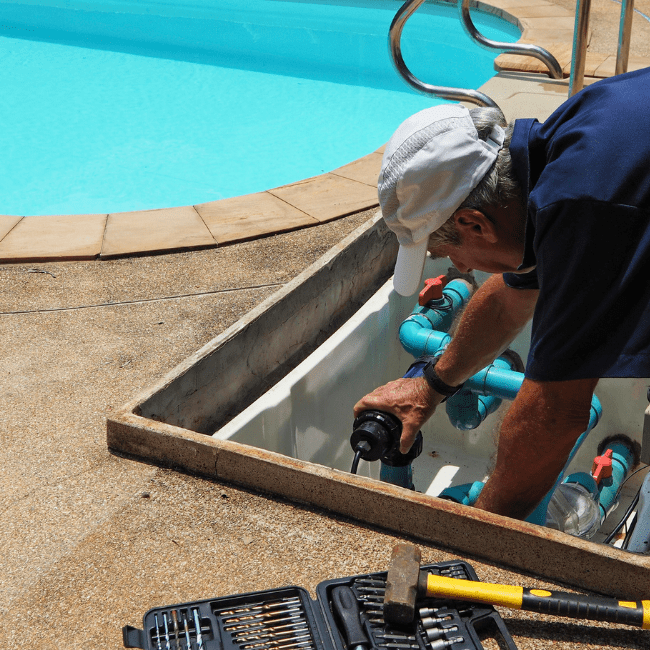
HOA pool service should check pumps, filters, skimmer baskets, return flow, pressure readings, heaters when present, visible plumbing and signs of leaks or wear. Shared pools often run for long hours and support many swimmers, so equipment problems can affect the whole community quickly. Weak return flow, air bubbles, strange noises or pressure changes can point to a problem that needs attention. Routine checks help catch equipment trouble early and reduce the chance of downtime during peak season.
How Can Preventive HOA Pool Service Reduce Resident Complaints?
Preventive service can reduce resident complaints by keeping the pool clear, comfortable and ready before problems become obvious. Residents often notice cloudy water, debris, broken equipment or closures right away. A service plan that includes regular testing, cleaning and equipment review helps prevent those issues from piling up. It also helps boards show that they take amenity care seriously. When residents can use the pool without wondering whether the water looks right or the equipment works, the pool becomes a stronger community asset.
What Makes HOA Pool Service Different From Residential Pool Service?
HOA pool service differs from residential pool service because shared pools see more swimmers, longer hours, more sunscreen, more debris and more public attention. A homeowner might adjust service around personal use, but an HOA needs a plan that supports many residents and guests. Property managers also need clear communication when something needs repair, testing, follow-up or schedule changes. Community pool care requires consistency because one missed issue can affect many people at once.
What Should Grand Strand Communities Consider About HOA Pool Service?
Grand Strand communities should consider summer heat, storms, humidity, pollen, sand, salt air and heavy seasonal use when planning HOA pool service. Myrtle Beach area communities often see more activity during warm months, holiday weekends and vacation periods. Storms can add debris and dilute chemicals, while heavy use can lower sanitizer faster than expected. A local service plan helps boards respond to real coastal conditions instead of using a generic schedule that does not match how the pool gets used.
When Should An HOA Call For Pool Repair?
An HOA should call for pool repair when equipment sounds different, water flow weakens, pressure changes, water leaks, heaters stop working or the pool keeps turning cloudy after normal service. Boards should not wait until the pool has to close before asking for help. Early repair support can protect equipment, reduce downtime and prevent resident frustration. Elko Spas, Billiards and Pools helps Myrtle Beach and Grand Strand communities care for pools with service support that keeps shared amenities ready.
Keep Your HOA Community Pool Ready For Residents
HOA pool service helps communities protect water clarity, equipment performance and resident satisfaction. With regular testing, cleaning, filter care, equipment checks and preventive service, boards and property managers can stay ahead of problems instead of scrambling during peak use. Elko Spas, Billiards and Pools helps Grand Strand HOAs and community associations keep pools ready for residents, guests and busy summer days. Contact Elko when your community needs a stronger pool service plan.
FAQs
1. What Should HOA Pool Service Include?
HOA pool service should include water testing, chemical balancing, cleaning, filter checks, pump review, equipment inspection and preventive maintenance. The exact plan should match the pool’s size, use level, season and condition.
2. How Often Should An HOA Pool Get Serviced?
An HOA pool should get serviced based on resident use, weather, season and equipment condition. During summer, many shared pools need frequent service because heat, storms and heavy swimmer traffic can affect water balance quickly.
3. Why Do HOA Pools Need Preventive Maintenance?
HOA pools need preventive maintenance because small issues can affect many residents at once. Regular checks help catch cloudy water, filter trouble, pump strain, leaks and other problems before they lead to complaints or downtime.