Good pool design starts with more than choosing a shape. Before construction begins, homeowners should consider how they want to use the pool, how much space the yard provides, where people will walk, how water drains across the property, where equipment will go and what other backyard features they might want later. In Myrtle Beach, sun, heavy rain, long outdoor seasons and property access should also become part of the design conversation before excavation starts.
What Should You Decide Before Designing A Pool?
Start by deciding how you expect to use the pool. A family that wants space for swimming, games and children will likely need a different layout than homeowners who want a quiet place to relax. People who entertain often might care more about seating, open gathering space and easy movement between the house, pool and patio.
Think about what matters most before looking at individual pool models. Ask how many people will use the pool regularly, whether you want room for exercise or play and how much of the yard you want to keep for other activities. These answers help narrow the design choices and keep the project focused on how the backyard will actually function.
How Does Yard Size Affect Pool Design?
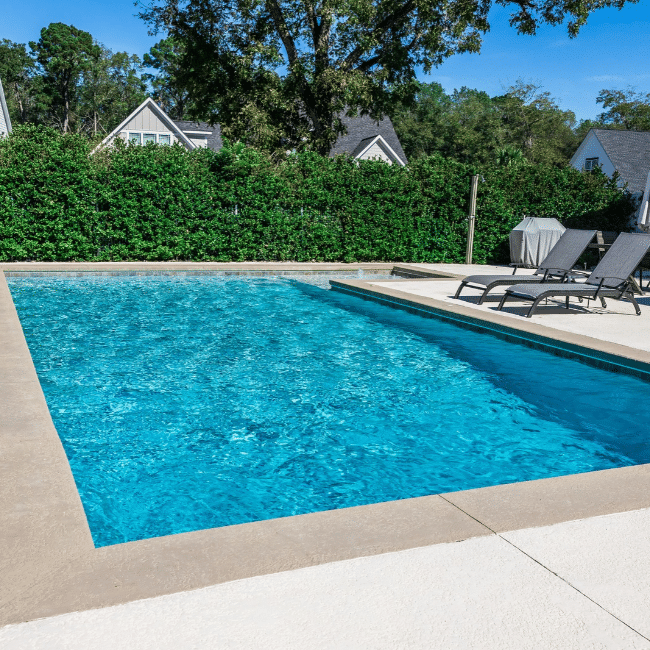
Yard size affects the pool, but it also affects everything around it. Homeowners need room for walking areas, seating, equipment and any other outdoor features included in the plan. Choosing the largest pool that fits can leave the rest of the backyard feeling crowded.
A smaller pool can sometimes create a stronger overall design because it leaves more space for people to gather around the water. The right balance depends on the property and the homeowners’ priorities.
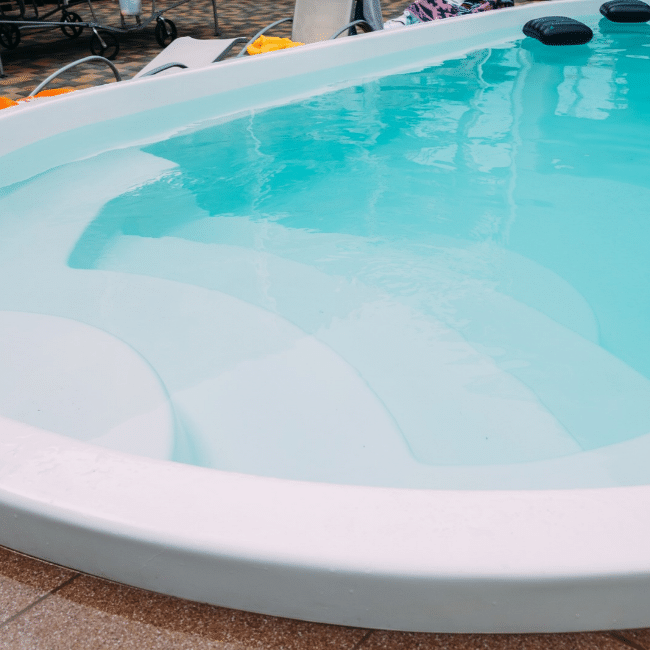
Fiberglass pools from brands such as Alaglas and Imagine Pools come in established sizes and shapes, so homeowners can compare models based on the space they actually have. Looking at the entire yard before choosing the pool helps prevent a design that technically fits but does not leave enough room for comfortable use.
How Should Pool Placement Work With The House?
Pool placement should make the backyard feel connected to the home. Think about which doors people will use to reach the pool, where they will carry food or towels and which parts of the pool you want visible from inside.
A pool placed too far from the main outdoor living area can feel disconnected, while a pool placed without enough surrounding space can make the area feel cramped. Good placement creates an easy path between the house, pool and other outdoor features.
Homeowners should also think about everyday convenience. The pool should fit the way people naturally move through the property instead of forcing everyone to take awkward routes around furniture, landscaping or equipment.
How Do Sun And Shade Affect Pool Design?
Sun and shade can change how comfortable different parts of the pool area feel throughout the day. Some homeowners want as much sun as possible around the water, while others prefer shaded seating or relief from the afternoon heat.
Watch how sunlight moves across the yard before settling on the final placement. A pool that receives strong sun for most of the day might work well for swimming, while nearby seating can benefit from shade. Existing trees, the house and future structures can all affect these patterns.
Myrtle Beach homeowners often use their outdoor spaces for a large part of the year, so comfort around the pool matters as much as the water itself.
Why Does Drainage Matter In Pool Design?
Drainage should become part of the design before construction because the pool, decking and surrounding improvements can change how rainwater moves across the yard.
This is especially important in Myrtle Beach and across the Grand Strand, where heavy rain can put significant water into a property quickly. A good design should work with the existing drainage pattern instead of creating new low areas where water collects.
Homeowners should also think about patios, walkways and landscaping. These features can redirect runoff, so the entire finished space needs to work together. Addressing drainage during the design stage can prevent problems that become harder to fix after construction.
Where Should Pool Equipment Go?
Pool equipment should sit in a practical location that allows easy access for maintenance and repair. Homeowners often want pumps and filters hidden from view, but the equipment still needs enough room for technicians to reach and service it.
The equipment area should also fit into the backyard without interfering with seating, walking paths or future projects. Waiting until installation begins to choose the location can force compromises that affect the final layout.
A strong pool design includes the equipment from the beginning so function and appearance work together instead of competing at the end of the project.
How Does Backyard Access Affect Pool Design?
Access can affect which pool sizes and installation methods work for a property. Crews need a route to bring equipment and materials into the backyard, and fiberglass pool shells need enough access to reach the installation site.
Homeowners should look at gates, side yards, fences, trees, buildings and overhead obstacles before finalizing the pool. A pool can fit perfectly on a drawing but still create installation problems if crews cannot reach the site.
This is one reason design and pool installation should connect from the beginning. The project needs to work not only on paper but also during construction.
Should You Design The Pool And Outdoor Living Space Together?
Yes. Designing the pool and surrounding backyard together can create a more functional finished space. Think about seating, dining areas, shade, landscaping and the way people will move around the pool.
Homeowners planning an outdoor kitchen, hot tub, fire feature or other upgrade should include those ideas now even if they do not plan to build everything at once. Future features can affect where the pool should sit and how much open space the yard needs.
Planning ahead can also help avoid placing equipment, walkways or other permanent features where a future project needs to go.
How Do Future Backyard Plans Affect Pool Design?
Future plans matter because a pool becomes a long-term part of the property. Homeowners should think beyond what they want this year and consider how the backyard could change over time.
A family might want more seating as children grow older. Homeowners might add a hot tub, outdoor kitchen or entertainment area later. Leaving room for those changes can make future upgrades easier.
The goal is not to predict every project. It is to avoid making today’s pool placement block tomorrow’s possibilities.
What Pool Design Mistakes Should Homeowners Avoid?
One common mistake involves choosing a pool based only on appearance. A shape that looks great in a photo might not fit the property’s dimensions, access or daily use.
Another mistake involves ignoring the space around the pool. Homeowners need enough room to walk, sit and maintain the area comfortably. Equipment placement, drainage and future backyard features also need attention before construction starts.
Finally, homeowners should avoid treating design and construction as separate decisions. Every design choice has practical effects during pool construction, so the final plan should balance appearance, function and the realities of the property.
How Does Pool Design Connect To Pool Construction?
Pool design creates the plan that guides construction. Pool size affects excavation. Placement affects access. Equipment location affects plumbing. Surrounding features affect drainage and how the finished backyard functions.
That is why design should happen within the larger pool construction process rather than as a stand-alone step. Elko’s Pool Construction Center helps homeowners understand how pool selection, design, installation, builder choice and long-term ownership connect.
The stronger the design decisions are before construction begins, the easier it becomes to understand what the project needs and why.
Design The Whole Backyard Before Construction Begins
The best pool design considers the people using the pool, the property around it and the backyard you want to live in after construction ends. Yard size, placement, sun, shade, drainage, access, equipment and future plans should all work together.
Elko Spas, Billiards and Pools helps Myrtle Beach and Grand Strand homeowners explore pool options, evaluate their properties and plan layouts that fit their long-term outdoor goals. Contact Elko to start designing a pool that works with your home before construction begins.
FAQs
1. What Should I Decide Before Choosing A Pool Design?
Decide how you plan to use the pool, how many people will use it regularly and what other backyard features matter to you. You should also consider available space, access, drainage, equipment and future outdoor plans.
2. How Much Space Should I Leave Around A Pool?
The amount of space depends on the property and how you plan to use the backyard. Leave enough room for safe movement, seating, maintenance and any future features rather than filling the entire available area with the pool.
3. Why Should Pool Design Happen Before Construction Planning Is Finished?
Design choices affect excavation, access, plumbing, equipment, drainage and surrounding outdoor spaces. Connecting design with construction early helps homeowners create a plan that works both visually and practically.