Pool installation involves much more than putting a pool into the ground. Homeowners need to prepare the property, confirm access, plan drainage, identify utilities, choose equipment locations and understand what work happens before and after the pool itself goes in. In Myrtle Beach, weather, heavy rain and backyard access can also affect the process. Knowing what to expect before installation begins can make the entire project easier to understand.
What Happens Before Pool Installation Starts?
Before pool installation begins, the property needs to be evaluated and the major project decisions need to be finalized. This includes confirming the pool type, size, placement, equipment location and access route for construction crews.
The builder should also look at drainage, slope, existing structures, utilities, fences, landscaping and other features that could affect installation. These details can influence the final design and determine what preparation needs to happen before excavation starts.
This stage is important because many installation problems actually begin before crews arrive. Good planning helps homeowners understand what the property needs and gives the builder time to address potential challenges before construction moves forward.
How Much Backyard Access Does Pool Installation Need?
Pool installation requires enough access for workers, equipment and materials to reach the construction area. The amount of space needed depends on the pool type and the property.
Homeowners should look at gates, side yards, trees, fences, sheds and other structures between the street and backyard. Narrow spaces can affect how equipment reaches the site. With fiberglass pools, access becomes especially important because the finished pool shell must also reach the installation area.
If existing fencing or landscaping needs temporary changes, homeowners should understand that before the project begins. Planning the access route early helps prevent surprises when excavation and delivery start.
Why Does Drainage Matter Before Pool Installation?
Drainage matters because installing a pool changes how part of the yard functions. Excavation, decking, landscaping and other finished surfaces can affect how rainwater moves across the property.
This deserves extra attention in Myrtle Beach and across the Grand Strand, where heavy rain can put a large amount of water into a yard quickly. A pool project should account for existing drainage patterns and avoid creating low areas where water collects.
Homeowners should also think beyond the pool itself. Patios, walkways and landscaping can redirect runoff, so the entire finished backyard should work together. Good drainage planning helps protect the pool area and makes the surrounding space more comfortable to use after construction ends.
What Utilities Should Be Checked Before Installation?
Utilities need to be identified before excavation begins. Electrical lines, water lines and other underground or nearby systems can affect where the pool sits and how crews access the property.
The pool equipment will also need the proper utility connections. Pumps, filters, heaters and other equipment can have different electrical requirements, so the installation plan should account for those needs early.
Homeowners should not wait until construction begins to think about equipment power or placement. Planning these details in advance helps prevent last-minute changes that could affect the layout or schedule.
Where Should Pool Equipment Go?
Pool equipment should sit in a location that supports good function while remaining accessible for maintenance and repair. Homeowners often want to keep equipment out of sight, but hiding it too tightly behind walls, landscaping or structures can create service problems later.
The equipment area needs enough room for pumps, filters and any other systems included with the pool. It should also be placed where technicians can reach the equipment easily when maintenance or repairs become necessary.
Good pool design considers equipment placement from the beginning. The location should fit the backyard layout without interfering with seating areas, walking paths or future outdoor features.
What Happens During Pool Installation?
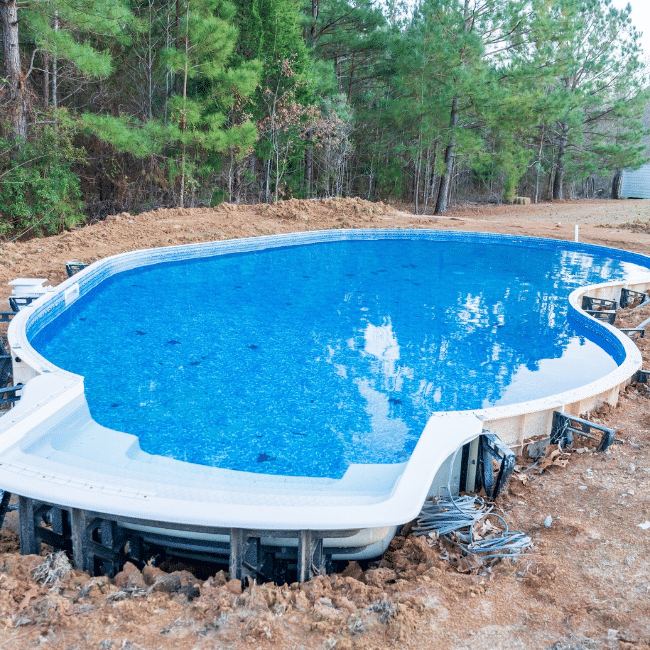
The exact process depends on the pool type, but installation generally includes site preparation, excavation, pool placement or construction, plumbing, equipment setup and surrounding site work.
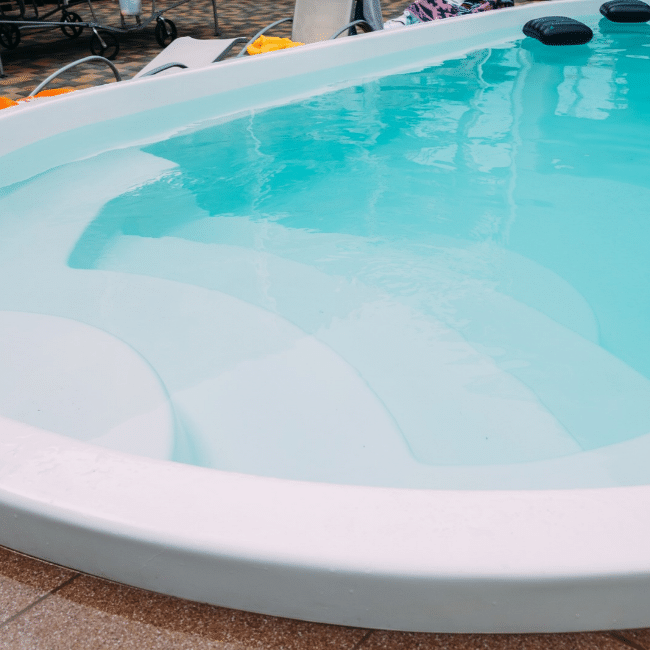
Fiberglass pools follow a more specific process because the manufactured shell arrives at the property as one large piece. The site needs to be prepared before the shell arrives, then crews place it into the excavation, connect plumbing and equipment and complete the backfill and surrounding work.
Our dedicated fiberglass pool installation guide explains that process in more detail. This broader pool installation resource focuses on what homeowners need to understand about the property and project as a whole.
How Does Weather Affect Pool Installation?
Weather can affect outdoor construction, especially during excavation and site preparation. Heavy rain can change ground conditions and make some stages of the project harder to complete safely or efficiently.
Myrtle Beach weather can change quickly, so homeowners should expect some flexibility in outdoor construction schedules. A rain delay does not necessarily mean the project has a problem. Sometimes crews need to wait for better site conditions before moving to the next stage.
The builder should communicate when weather changes the schedule and explain what needs to happen before work continues.
What Should Homeowners Move Before Installation Begins?
Homeowners should remove items that could block the construction area or access route. This can include patio furniture, grills, decorations, toys, movable landscaping items and anything else sitting between the street and installation site.
The builder should explain which areas need to stay clear and whether fences, gates or other features need temporary removal. Homeowners should also think about pets and children during construction because excavation and heavy equipment can create unsafe areas around the yard.
Preparing the property before crews arrive helps installation move more smoothly and reduces the chance of belongings getting damaged.
What Happens To The Yard During Pool Installation?
Pool installation is a construction project, so homeowners should expect temporary disruption to the yard. Excavation, equipment traffic and material movement can affect grass, landscaping and pathways around the work area.
The exact impact depends on the property and access route. Some yards have wide, open access, while others require equipment to move through tighter areas. Homeowners should discuss which parts of the property could be disturbed and what the finished restoration plan includes.
Understanding this before construction begins helps homeowners set realistic expectations instead of assuming the rest of the yard will remain untouched.
What Happens After The Pool Is Installed?
After the main installation work is complete, the project moves into finishing, startup and ownership. Equipment needs to be checked, water needs to be prepared and homeowners need to learn the basics of operating the pool.
Water testing and chemical balance become part of the routine from the beginning. Homeowners should also understand how the filtration system works and what maintenance the pump, filter and other equipment require.
This transition from construction to ownership matters because a pool needs ongoing care after installation. Elko Spas, Billiards and Pools provides water testing, equipment service, maintenance and repair, giving Myrtle Beach homeowners a local resource after construction ends.
How Long Does Pool Installation Take?
Pool installation timing depends on the pool type, property conditions, weather, access and the amount of surrounding work included in the project. A straightforward property can move differently from a yard that requires additional preparation or drainage work.
That is why homeowners should rely on a project-specific schedule instead of one generic number. The builder should explain what parts of the timeline are predictable and what factors could change it.
Planning early, making design decisions before construction and preparing the property in advance can help reduce avoidable delays.
How Does Pool Installation Fit Into Pool Construction?
Pool installation is one stage within the larger pool construction process. Before installation begins, homeowners need to choose the pool, evaluate the property, finalize the design and understand what the site needs. After installation, maintenance, water care and equipment service become part of ownership.
Looking at the whole process helps homeowners make better decisions. Elko’s Pool Construction Center connects pool design, inground pools, fiberglass options, builder selection and installation so buyers can move through each stage with a better understanding of what comes next.
Prepare For The Entire Installation, Not Just The Pool
A successful pool installation starts long before excavation. Access, drainage, utilities, equipment placement, weather and homeowner preparation all affect how the project moves forward. Knowing what the property needs before construction begins can prevent avoidable surprises and help the finished pool fit the backyard more naturally.
Elko Spas, Billiards and Pools helps Myrtle Beach and Grand Strand homeowners plan pool projects from early design through installation and long-term care. Contact Elko to discuss your property, pool options and what your backyard needs before installation starts.
FAQs
1. What Should I Do Before Pool Installation Begins?
Clear the construction area, confirm the access route and discuss drainage, utilities and equipment placement with your pool company. Homeowners should also remove movable items and understand which parts of the yard could be affected during construction.
2. Does Pool Installation Damage The Yard?
Pool installation can temporarily affect grass, landscaping and access areas because excavation and heavy equipment need space to work. The amount of disruption depends on the property, access route and construction plan.
3. Can Weather Delay Pool Installation In Myrtle Beach?
Yes. Heavy rain and other weather conditions can change site conditions and affect outdoor construction. A pool builder should communicate when weather changes the schedule and explain what needs to happen before work continues.