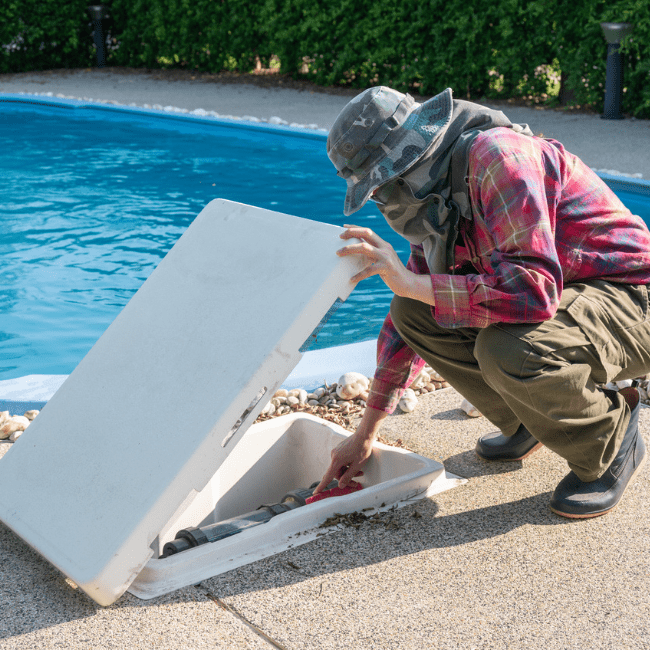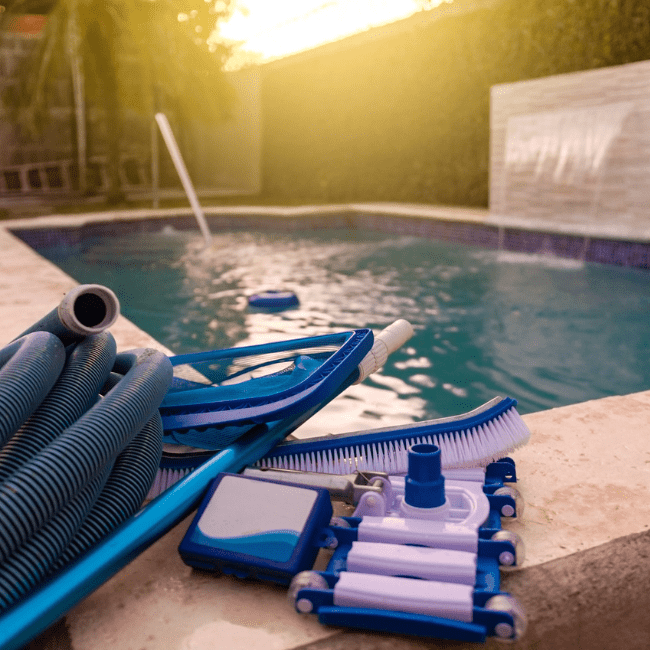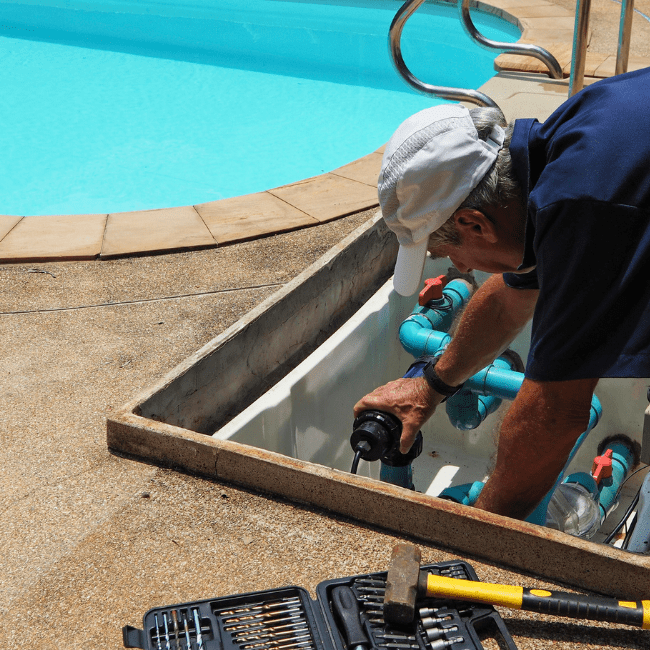
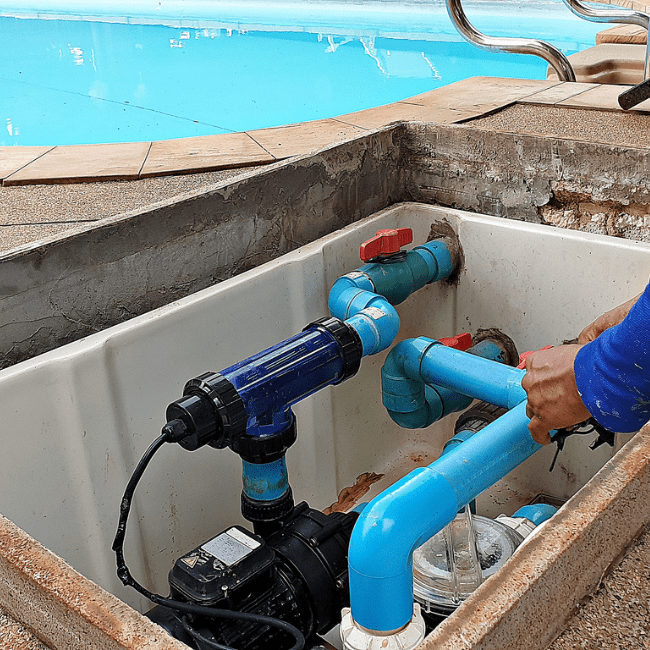
Pool pump maintenance helps keep water moving, clear and easier to balance during the busiest part of pool season. When the pump works the way it should, it pulls water through the filter, helps chemicals circulate and prevents debris from sitting in one place too long. When the pump struggles, the whole pool can feel harder to manage. For South Carolina homeowners, summer heat, storms and heavier use can place extra strain on the system, which makes regular care important before small problems become expensive repairs.
Why Does Pool Pump Maintenance Matter So Much?
Pool pump maintenance matters because the pump acts like the heart of the pool system. It keeps water moving through the filter and back into the pool so debris, dirt and small particles do not build up. Good circulation also helps pool chemicals spread evenly, which supports clearer water and a better swimming experience. If the pump does not run well, even the best water care routine can fall short because chemicals cannot reach every part of the pool. That can lead to cloudy water, algae growth and more time spent trying to fix problems that started with poor circulation.
What Are The First Signs Of Pool Pump Trouble?
The first signs of pool pump trouble often include strange noises, weak water flow, air bubbles in the return jets, leaks near the equipment pad or a pump that loses prime. A healthy pump should run with a steady sound and consistent flow. If it starts grinding, rattling, humming or shutting off, the system needs attention. These warning signs can point to clogged baskets, air leaks, worn parts or motor trouble. Catching these issues early helps protect the pump and prevents the pool from turning cloudy right when families and guests want to use it most.
How Does Poor Circulation Affect Pool Water?
Poor circulation affects pool water because it allows debris, sunscreen, pollen and contaminants to linger instead of moving through the filter. In warm South Carolina weather, this can become a problem quickly because heat and heavy use can lower sanitizer levels faster. If water does not move well, chemicals cannot work evenly, and some areas of the pool can develop cloudy water or algae faster than others. Pool pump maintenance helps prevent these issues by keeping flow strong and steady, which gives the filter and chemicals a better chance to do their jobs.
When Should You Schedule Pool Pump Service?
You should schedule pool pump service when the pump sounds different, flow weakens, leaks appear or water clarity keeps getting worse after normal care. Routine service can also help before peak summer use begins because a trained technician can spot problems that homeowners often miss. Checking baskets, seals, pressure, flow and motor performance can help prevent larger repairs later. Waiting until the pump stops working often leads to more stress, higher costs and lost swim time during the warmest months of the year.
How Can Elko Help Keep Your Pool Running Smoothly?
Elko Spas, Billiards and Pools helps South Carolina homeowners keep pools ready with service support that protects water clarity and equipment performance. Pool pump maintenance keeps the system working better, helps prevent surprise breakdowns and makes summer pool care easier. If your pump sounds different, water flow feels weak or your pool keeps turning cloudy, schedule service before the problem grows. A little attention now can help protect your whole season.
FAQs
1. How Often Should I Check My Pool Pump?
You should check your pool pump during regular pool care and pay close attention before heavy summer use begins. Look for leaks, strange sounds, weak flow and changes in pressure so you can catch problems early.
2. What Happens If My Pool Pump Stops Working?
If your pool pump stops working, water stops circulating through the filter, which can lead to cloudy water, algae growth and poor chemical balance. Service should happen quickly to protect the pool and equipment.
3. Can Pool Pump Maintenance Prevent Expensive Repairs?
Yes. Regular pool pump maintenance can catch worn parts, leaks and circulation issues before they turn into larger repairs. Early service often costs less than waiting for a full pump failure.