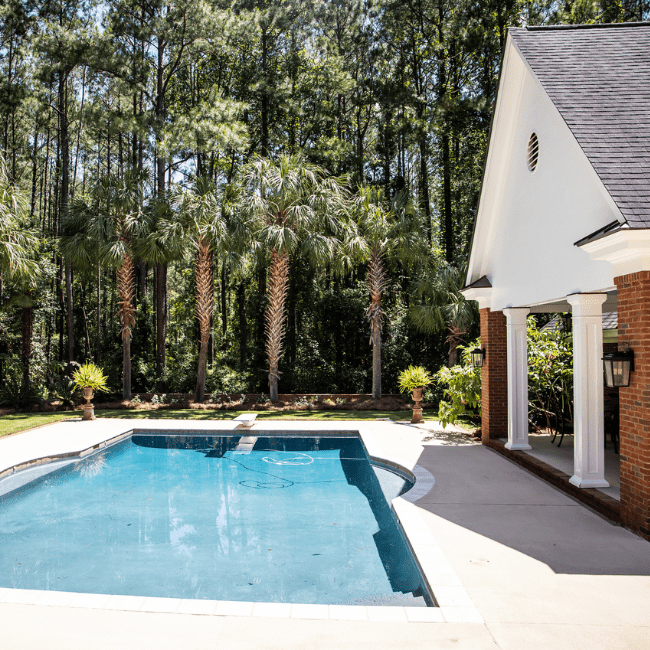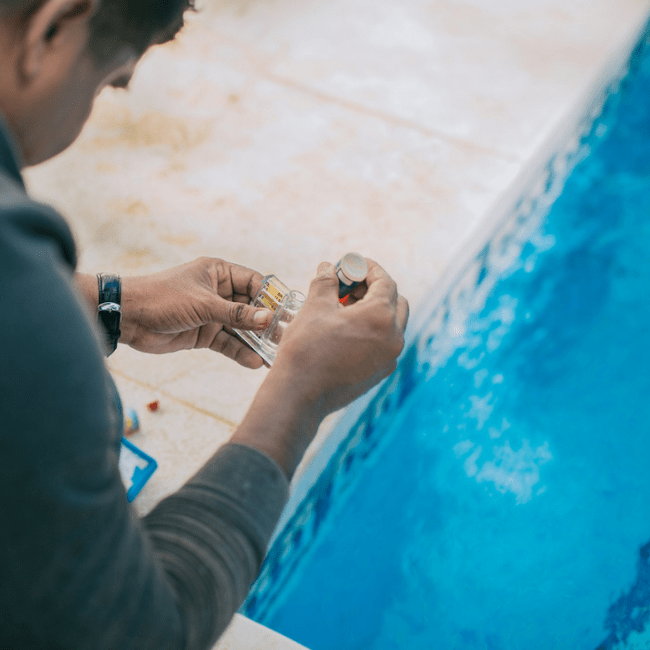
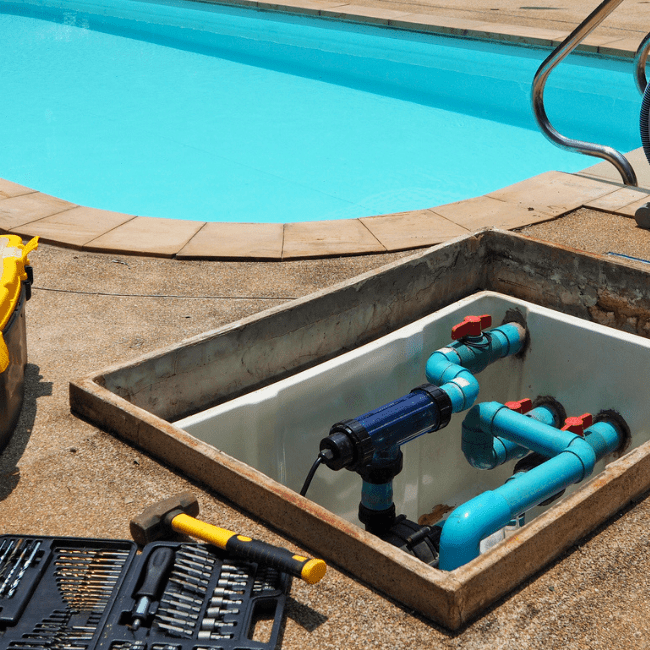
Pool repair needs professional service when the pump sounds strange, water flow weakens, air bubbles appear, pressure changes, leaks show up, the heater stops working or cloudy water keeps coming back after normal care. These signs often point to equipment or circulation problems, not just a water issue. Fast service can help protect the pool system and reduce the chance of larger repairs.
Why Should Homeowners Take Pool Repair Warning Signs Seriously?
Homeowners should take pool repair warning signs seriously because small equipment problems can affect the whole pool fast. The pump, filter, heater, skimmer, plumbing and return lines all work together to move and clean the water. If one part struggles, the water can turn cloudy, sanitizer can stop working well and the system can run under extra strain. A pool that still turns on can still have a problem. Acting early helps protect the equipment, save swim time and keep the pool safer and more comfortable for everyday use.
When Does Pool Repair Need Professional Service?
Pool repair needs professional service when basic care does not fix the problem or when the issue involves equipment, electrical parts, heating, leaks or poor circulation. Homeowners can skim debris, test water and clean baskets, but they should not ignore repeated pressure changes, loud pump sounds or water loss. A technician can look at how the system works as a whole instead of treating one symptom at a time. That matters because cloudy water, weak flow and equipment noise often connect to the same root problem.
Why Is My Pool Pump Making Noise?
A noisy pool pump can point to clogged baskets, air in the system, worn bearings, motor trouble or poor water flow. A healthy pump should have a steady sound, not grinding, screeching, rattling or humming. If the sound changes suddenly, the pump needs attention before the issue grows. A struggling pump can affect circulation, filtration and water clarity. In Myrtle Beach and across the Grand Strand, summer heat and long run times can make pump problems show up quickly during heavy pool season.
What Do Weak Flow And Air Bubbles Mean?
Weak flow and air bubbles often mean the pool system is pulling air, moving water poorly or dealing with a blockage. Low water level, clogged baskets, dirty filters, loose fittings or suction-side leaks can all affect flow. When water does not move well, the filter cannot clean the pool properly and chemicals cannot circulate evenly. Homeowners might notice cloudy water, dead spots, debris that will not clear or return jets that feel weaker than normal. These signs deserve a closer look because circulation problems rarely fix themselves.
When Do Pool Filter Pressure Changes Need Attention?
Filter pressure changes need attention when the pressure rises too high, drops too low or changes faster than normal. High pressure can mean the filter has too much buildup or water cannot move through the system well. Low pressure can point to weak suction, low water level, pump trouble or an air leak. Pressure readings help tell the story of what happens inside the system. If pressure keeps changing after cleaning baskets or checking the water level, professional service can help find the cause.
Why Does Cloudy Water Keep Coming Back?
Cloudy water keeps coming back when the real problem goes beyond basic chemical balance. Dirty filters, weak circulation, pump issues, high swimmer load, poor sanitizer performance or hidden equipment problems can all make cloudy water return again and again. Adding more products without testing or checking the system can waste money and delay the right fix. A technician can test the water, inspect equipment and look at filtration so homeowners know whether the problem comes from chemistry, circulation or repair needs.
What Pool Leaks Need Repair?
Pool leaks need repair when water loss goes beyond normal evaporation or splash-out. Homeowners should watch for falling water levels, wet spots near the equipment pad, air in the system, cracks, soggy ground or leaks around visible plumbing. South Carolina heat can cause evaporation, but steady water loss needs attention. A leak can waste water, affect circulation and damage nearby areas if it continues. Early service helps homeowners find the issue before it creates a bigger problem.
Why Does Heater Trouble Need Professional Help?
Heater trouble needs professional help because poor flow, sensor issues, gas or electrical concerns, clogged filters and equipment faults can all affect heating. If the heater will not start, shuts off, heats slowly or gives inconsistent temperatures, the pool system needs a proper check. Homeowners should avoid guessing with heater problems because the issue can involve equipment safety and system performance. Professional repair helps protect the heater and keeps the pool more comfortable when families, guests or rental visitors expect warm water.
How Does Myrtle Beach Weather Affect Pool Equipment?
Myrtle Beach weather can affect pool equipment through heat, storms, humidity, sand, salt air, pollen and heavy seasonal use. Summer storms can add debris and strain filters. Hot weather can make equipment run longer. Coastal conditions can make outdoor equipment need steady attention. Pools that serve vacation homes, HOAs or busy families often work harder during peak season, which can bring repair needs to the surface faster. Local service support helps homeowners respond to the conditions their pool actually faces.
Stop Guessing And Protect Your Pool
Pool repair works best when homeowners respond early instead of waiting for a full breakdown. Strange sounds, weak flow, air bubbles, pressure changes, leaks, heater trouble and cloudy water that keeps returning all deserve attention. Elko Spas, Billiards and Pools helps Myrtle Beach and Grand Strand homeowners find pool problems, repair equipment issues and keep pools ready for the season. Contact Elko when your pool shows signs that routine care is no longer enough.
FAQs
1. How Do I Know If My Pool Needs Repair?
Your pool needs repair if the pump makes strange sounds, water flow gets weak, air bubbles come from the jets, pressure changes, water leaks or the heater stops working. Cloudy water that keeps returning can also point to a repair issue.
2. Can Poor Circulation Cause Cloudy Pool Water?
Yes, poor circulation can cause cloudy pool water because chemicals and filtration cannot work evenly throughout the pool. Weak flow, clogged filters, pump trouble or air leaks can all keep the water from clearing properly.
3. Should I Turn Off My Pool Pump If It Sounds Bad?
You should turn off the pool pump and call for service if it makes grinding, screeching or loud unusual sounds. Running a struggling pump can create more damage and make the repair more expensive.