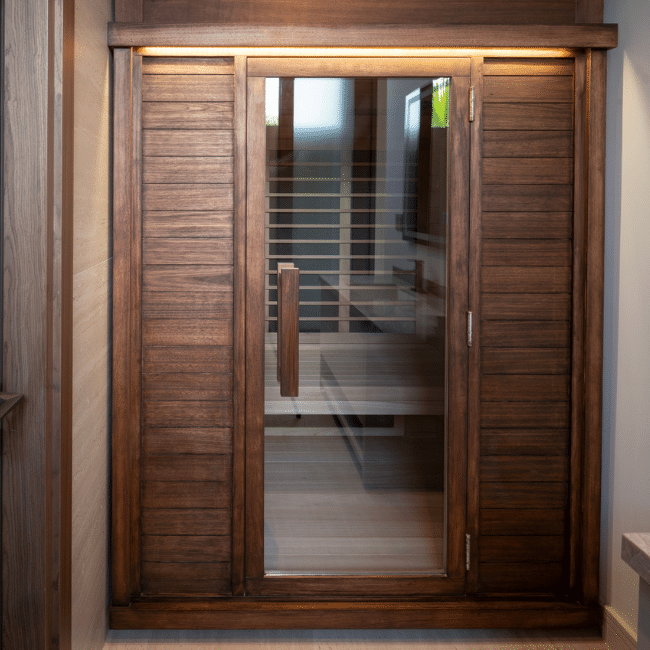
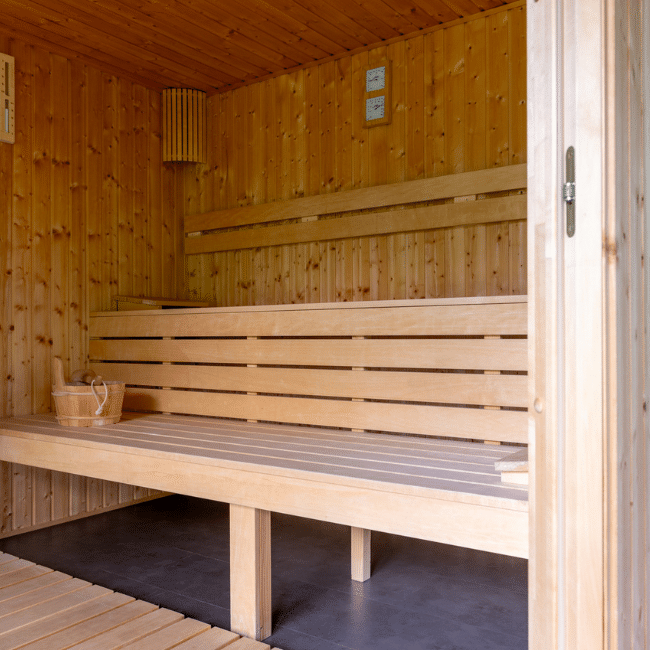
The best sauna type depends on how you want the sauna to feel, where you plan to install it, how much space you have and what kind of routine you want to create. Traditional saunas surround you with high heat, infrared saunas warm the body differently at lower air temperatures and hybrid saunas combine elements of both. There is no single best choice for every home, so understanding the experience behind each option matters more than simply comparing features.
What Sauna Type Is Best For Your Home?
The right sauna type should match your preferred heat, available space, installation needs and how you expect to use the sauna. Someone who wants the classic high-heat sauna experience might prefer a traditional sauna, while someone who enjoys lower surrounding temperatures might explore infrared. A hybrid sauna gives homeowners more flexibility by offering different ways to use the same wellness space. Before deciding, think about who will use the sauna, how often it will get used and what kind of experience you want each session to provide.
What Is A Traditional Sauna?
A traditional sauna heats the room itself, creating the hot environment most people picture when they think about sauna use. The higher air temperature warms the body while creating a classic sauna experience that many people enjoy for relaxation and quiet time. Traditional saunas can also give users more control over how the session feels, depending on the heater and setup. For homeowners who want the familiar warmth, atmosphere and ritual associated with sauna use, traditional designs often feel like the natural starting point.
Traditional saunas also work well for homeowners who want the sauna to become a distinct destination within the home. A well-planned Tylö sauna can turn a wellness room, indoor retreat or dedicated outdoor area into a space people look forward to using rather than another piece of fitness equipment that gets ignored.
How Is An Infrared Sauna Different?
An infrared sauna uses infrared energy to warm the body rather than relying mainly on very hot surrounding air. Because the room itself generally feels cooler than a traditional sauna, some people find infrared sessions more comfortable when they do not enjoy intense heat. The experience can feel different, so buyers should not assume that infrared simply offers the same sauna at a lower temperature.
Choosing between infrared and traditional sauna use often comes down to personal preference. Someone who loves strong surrounding heat might enjoy traditional sauna use more, while another person might prefer the gentler-feeling environment associated with infrared. Experiencing the differences and talking through how you plan to use the sauna can make the decision easier than comparing specifications alone.
What Is A Hybrid Sauna?
A hybrid sauna combines more than one heating approach so homeowners have greater flexibility in how they use the space. Instead of choosing only one type of sauna experience, a hybrid setup can allow different users or different routines to call for different forms of heat.
That flexibility can make a hybrid sauna appealing in households where people have different preferences. One person might enjoy a more traditional sauna experience while another prefers a lower-temperature approach. The added flexibility can also make sense for homeowners building a dedicated wellness area and looking for a sauna that can support different routines over time.
Traditional Vs. Infrared Vs. Hybrid: What Is The Main Difference?
The biggest difference comes down to how the heat feels and how the sauna gets used. Traditional saunas create a hotter surrounding environment. Infrared saunas use infrared energy to warm the body while the room generally stays at a lower temperature. Hybrid saunas give homeowners access to more than one experience.
That means buyers should avoid choosing based only on which option sounds newer or more advanced. Think about whether you enjoy strong heat, prefer a gentler environment or want the flexibility to choose between experiences. Comfort matters because the best home sauna is the one you will actually use consistently.
Does Sauna Type Affect Installation?
Yes. Sauna type can affect electrical needs, room preparation, ventilation and where the sauna can fit within the home. The specific requirements depend on the sauna and heater, so installation planning should happen before homeowners commit to a location.
Electrical capacity, ventilation, available floor space and access should all become part of the buying conversation. A sauna that fits physically is not necessarily ready for installation without proper planning. This is especially important when homeowners want to convert an existing room or add a sauna to an outdoor wellness area.
Should You Choose An Indoor Or Outdoor Sauna?
Indoor and outdoor placement can work well, but the right choice depends on your property and routine. Indoor saunas offer convenient access and can fit naturally into a dedicated wellness room, gym or other planned interior space. Outdoor saunas can create more separation from everyday household activity and make the sauna feel like its own retreat.
For Myrtle Beach and Grand Strand homeowners, outdoor planning should also account for humidity, heavy rain, storms and coastal conditions. The location needs to support the sauna properly while keeping access practical throughout the year. A beautiful outdoor setup loses some of its appeal if reaching it becomes inconvenient whenever the weather changes.
How Should You Compare Sauna Types Before Buying?
Start with the experience you want, then work backward through space, installation and ownership needs. Ask yourself who will use the sauna, what kind of heat feels comfortable, whether multiple people have different preferences and where the sauna will go. From there, compare electrical requirements, ventilation, available sizes and long-term care.
A showroom conversation can also help turn abstract differences into practical choices. Elko Spas, Billiards and Pools can help Grand Strand homeowners understand Tylö sauna options and think through space, placement and installation before making a decision.
Build A Sauna Around The Way You Want To Use It
Choosing the right sauna type is less about finding the option that looks best on paper and more about finding the experience that fits your home and routine. Traditional, infrared and hybrid saunas offer different approaches to heat and comfort, and each can make sense for the right homeowner. Elko Spas, Billiards and Pools can help Myrtle Beach and Grand Strand homeowners explore Tylö sauna options and plan a wellness space that feels natural to use for years to come.
FAQs
1. Which Sauna Type Gets The Hottest?
Traditional saunas generally create the hottest surrounding air temperatures and deliver the classic high-heat sauna experience. Infrared saunas typically operate with lower room temperatures, while hybrid saunas can offer more than one heating experience depending on the setup.
2. Is An Infrared Sauna Better Than A Traditional Sauna?
Neither sauna type is automatically better. Traditional saunas work well for people who enjoy intense surrounding heat and a classic sauna experience, while infrared saunas can appeal to people who prefer a lower-temperature environment. The better option depends on personal comfort, space and how you plan to use the sauna.
3. What Should I Decide Before Buying A Home Sauna?
Before buying a home sauna, decide where it will go, how many people will use it, what type of heat you prefer and whether the space can support the required electrical and ventilation needs. Thinking through these questions first makes it easier to compare sauna options without choosing based on appearance alone.