A cold plunge involves briefly immersing the body in cold water as part of a wellness, recovery or relaxation routine. Before trying one, beginners should understand that colder and longer are not automatically better. Cold water creates a strong physical response, so the best approach starts gradually, focuses on comfort and safety and takes personal health into account. A dedicated home cold plunge can make the experience more consistent, but good placement, water care and responsible use still matter.
What Is A Cold Plunge?
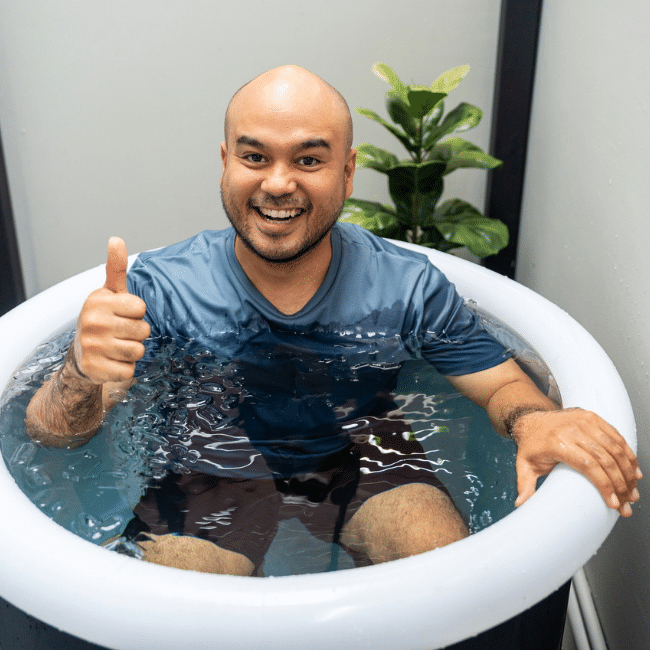
A cold plunge is a tub or system designed for cold-water immersion. Unlike filling a bathtub with ice every time you want to use it, a dedicated cold plunge gives homeowners a more controlled way to create and maintain a cold-water environment. Some people use cold plunges after workouts, while others add them to a broader wellness routine alongside a sauna, hot tub or home fitness space.
The experience is intentionally cold, which makes it very different from swimming in a cool pool. The initial sensation can feel intense, especially for someone who has never tried cold-water immersion before. That is why first-time users should focus on learning how their body responds instead of trying to match someone else’s routine.
What Happens When You Get Into Cold Water?
Cold water can trigger an immediate cold-shock response that changes breathing and places extra stress on the cardiovascular system. Some people experience rapid breathing, a faster heart rate or a temporary rise in blood pressure when they enter very cold water. Prolonged exposure can also lower body temperature too far.
Those reactions are an important reason to approach cold plunging gradually. A home cold plunge should support a controlled wellness routine, not encourage people to prove how long they can tolerate discomfort. If you feel dizzy, faint, unusually short of breath or otherwise unwell, get out rather than trying to push through the feeling.
What Cold Plunge Benefits Does Research Support?
Research into cold-water immersion continues to develop, so wellness claims should stay realistic. Cold-water immersion has received attention for post-exercise recovery and temporary relief of muscle soreness, but that does not mean every popular claim about cold plunging has strong evidence behind it. Cleveland Clinic notes that some people report physical and mental benefits, while also emphasizing that cold plunges come with risks and are not essential to a fitness routine.
A cold plunge should not get marketed as a cure for illness, a replacement for exercise or a guaranteed way to improve health. For homeowners considering one, it makes more sense to view it as one possible part of a larger wellness routine and decide whether the experience itself fits their goals.
How Should Beginners Approach A Cold Plunge?
Beginners should approach a cold plunge gradually rather than starting with extreme temperatures or trying to stay immersed for as long as possible. The first goal should be learning how cold water feels and how your body responds. Cold exposure can affect breathing, coordination and comfort quickly, so pushing through numbness, dizziness or distress is not a useful measure of success.
Consistency also matters more than competition. Someone who enjoys a controlled, brief cold experience might build it into a regular wellness routine, while another person might decide that cold plunging simply does not feel good. Both responses are reasonable. A home wellness space should support routines you genuinely want to repeat.
Is A Cold Plunge Safe For Everyone?
No. Cold plunging is not appropriate for everyone. People with heart disease, high blood pressure, circulation problems and certain other medical conditions should speak with a qualified health care professional before trying cold-water immersion. Pregnancy and other individual health concerns can also change whether cold exposure makes sense.
Even healthy users should respect the physical response to cold. Getting into and out of the plunge safely matters, especially if the cold causes numbness or reduced coordination. The area around the plunge should have clear walking space, stable footing and surfaces that can handle water without becoming unnecessarily slippery.
What Does A Home Cold Plunge Setup Need?
A home cold plunge setup needs a stable location, good access, drainage, room to enter and exit safely and a plan for water care. Homeowners should review the requirements for the specific cold plunge before choosing a final location because different systems can have different electrical, clearance and maintenance needs.
Think about the space around the plunge as carefully as the unit itself. Towel storage, lighting, nearby seating and a clear path can make the experience much easier to use. If the plunge becomes part of a larger wellness room or backyard setup, leave enough service access around each feature instead of crowding everything together.
Can A Cold Plunge Go Outdoors In Myrtle Beach?
A cold plunge can work outdoors when the specific system supports outdoor installation and the site meets its requirements. Myrtle Beach and Grand Strand homeowners should consider drainage, heavy rain, humidity, storms and access from the house when choosing a location. The area should remain practical during different weather conditions rather than looking good only on perfect days.
Shade, privacy and the walking route can also affect how often homeowners use the plunge. A setup that sits too far from the house or in an area with poor drainage could become inconvenient. Planning around real coastal conditions gives the wellness area a better chance of becoming part of everyday life.
Should You Pair A Cold Plunge With A Sauna?
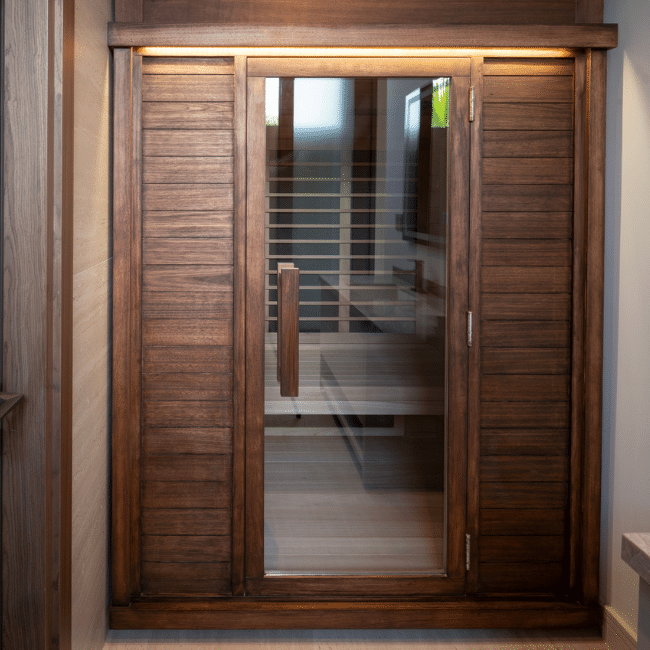
A cold plunge and sauna can work together as part of a home wellness space, but homeowners do not need to use them in an extreme heat-to-cold routine to get value from either product. Some people enjoy the contrast between the two, while others prefer using them separately.
If you plan to include both, think about safe movement between them, drainage, lighting, seating and enough room to cool down. A Tylö sauna and cold plunge can create two very different experiences within one wellness area, but the layout should support comfort and easy use rather than turning the space into an obstacle course.
What Should You Ask Before Buying A Cold Plunge?
Before buying a cold plunge, ask where it will go, how it maintains water temperature, what water care it requires, how it drains, what electrical needs it has and how much regular maintenance ownership involves. You should also decide whether you genuinely enjoy cold-water immersion before investing in a permanent setup.
Elko Spas, Billiards and Pools can help Myrtle Beach and Grand Strand homeowners think through cold plunge placement and how it fits with a larger sauna, spa or home wellness area. Planning the routine and the space together can help buyers choose equipment they will actually use instead of following a short-lived wellness trend.
Build A Cold Plunge Routine Around Comfort And Safety
A cold plunge can become part of a home wellness routine for people who enjoy cold-water immersion, but the experience should stay controlled and realistic. Start gradually, pay attention to how you feel and do not treat colder temperatures or longer sessions as a competition. Elko Spas, Billiards and Pools can help Grand Strand homeowners plan cold plunge, sauna and wellness spaces around practical placement, access and long-term use.
FAQs
1. What Does A Cold Plunge Feel Like The First Time?
A first cold plunge can feel intense because cold water can trigger rapid breathing and a strong physical response. Beginners should enter gradually, focus on staying calm and get out if they feel dizzy, faint or unusually uncomfortable.
2. Is A Cold Plunge Good For Everyone?
No. Cold plunging is not appropriate for everyone, especially people with certain cardiovascular, circulation or other medical concerns. Anyone unsure about cold exposure should talk with a qualified health care professional before starting.
3. Does A Home Cold Plunge Need Regular Maintenance?
Yes. A home cold plunge needs water care, cleaning and equipment maintenance based on the specific system. Buyers should understand those requirements before installation so the plunge stays clean, functional and easy to use.