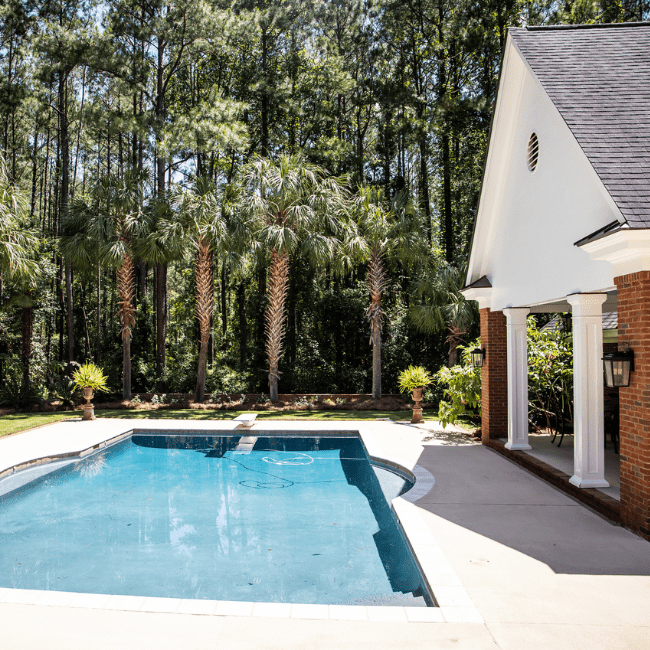
Choosing between fiberglass pools vs. concrete pools often becomes the biggest decision buyers face once they commit to building an inground pool. Both options offer clear benefits, but they serve different priorities when it comes to timeline, upkeep and long-term ownership. Understanding how these pool types compare helps buyers narrow their choice before requesting quotes and prevents regret later in the process.
For South Carolina homeowners, climate, usage and maintenance expectations all play a role in determining which option delivers the best overall value. Looking beyond surface-level differences makes the decision much easier.
Installation Timelines Shape the Early Experience
One of the most noticeable differences between fiberglass pools vs. concrete pools involves installation time. Fiberglass pools use pre-manufactured shells that arrive ready to place, which shortens construction significantly once excavation begins. Many buyers choose fiberglass because they want a faster path from planning to swimming without months of ongoing construction.
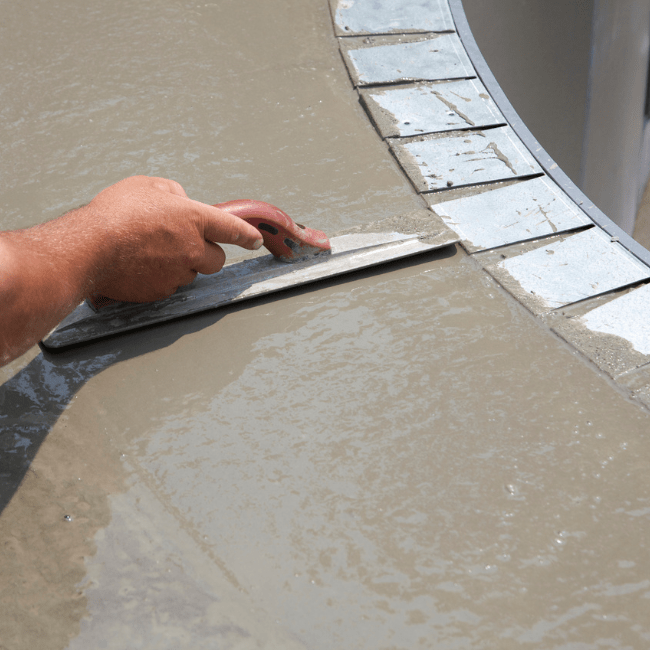
Concrete pools take longer to install because they require multiple construction phases, curing time and finish work. While this timeline allows for more customization, it also demands more patience. Buyers who value speed and predictability often lean toward fiberglass, while those willing to wait for a fully customized build may prefer concrete.
Maintenance and Ongoing Care Expectations
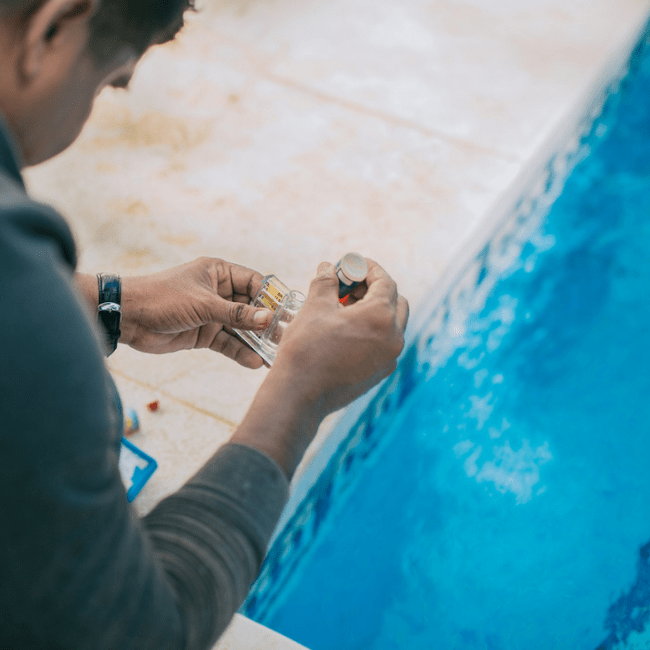
Maintenance plays a major role in the fiberglass pools vs. concrete pools comparison. Fiberglass surfaces resist algae growth and feel smooth, which helps reduce chemical use and cleaning time. Many owners appreciate the lower day-to-day upkeep, especially during long South Carolina summers when pools see frequent use.
Concrete pools require more hands-on maintenance because their porous surfaces can encourage algae if water balance slips. They often need more frequent brushing and chemical attention. Owners who enjoy a more involved maintenance routine might feel comfortable with this, but others prefer the simplicity fiberglass offers.
Durability and Long-Term Ownership
Durability matters when comparing fiberglass pools vs. concrete pools, but durability shows up in different ways for each option. Fiberglass shells flex slightly, which helps them handle soil movement and temperature changes over time. This flexibility supports long-term structural integrity when installed correctly.
Concrete pools offer strength and permanence, but they can develop surface wear over time that requires resurfacing. While this does not reduce enjoyment, it does add future maintenance costs that buyers should plan for. Understanding these long-term considerations helps buyers choose with clearer expectations.
Design Flexibility and Customization
Concrete pools often attract buyers who want full design freedom. Shapes, depths and finishes can vary widely, which appeals to homeowners with specific aesthetic goals. This flexibility makes concrete a popular choice for complex designs and unique layouts.
Fiberglass pools offer fewer shape options, but modern designs provide a wide range of styles that fit many backyards well. Buyers who prioritize function, comfort and efficiency often find that fiberglass options meet their needs without feeling limiting. In the fiberglass pools vs. concrete pools discussion, customization versus convenience becomes a defining factor.
Cost Considerations Beyond the Initial Quote
Cost comparisons between fiberglass pools vs. concrete pools should include more than the upfront quote. Fiberglass pools often come with more predictable pricing because the shell cost stays consistent and installation timelines remain shorter.
Concrete pools can start at a similar price point, but customization, labor and longer timelines can increase total cost. Long-term maintenance and resurfacing also affect overall investment. Buyers who look at total ownership cost instead of just the initial build often gain better clarity.
Which Option Fits South Carolina Lifestyles Better
South Carolina weather supports long swim seasons, which increases wear on any pool. Fiberglass pools handle frequent use well with less surface maintenance, making them appealing for families and full-time residents. Concrete pools also perform well but require more consistent care to maintain surface quality. The right choice depends on how often you plan to use the pool and how much time you want to spend maintaining it.
Making a Confident Choice Before Requesting Quotes
Comparing fiberglass pools vs. concrete pools becomes easier when buyers focus on how they want to live with the pool, not just how it looks on day one. Timeline, upkeep and long-term value matter more than trends or opinions.
Elko Spas, Billiards and Pools helps South Carolina buyers evaluate pool options with honesty and clarity. With the right information, choosing between fiberglass and concrete becomes a confident step forward instead of a stressful one.
FAQs
1. Which pool type installs faster, fiberglass or concrete?
Fiberglass pools usually install faster because the shell arrives pre-built and requires fewer construction phases.
2. Do fiberglass pools require less maintenance than concrete pools?
Yes. Fiberglass surfaces resist algae buildup, which reduces cleaning time and chemical use compared to concrete.
3. Which pool type lasts longer over time?
Both pool types can last for decades when built and maintained properly. Fiberglass offers surface durability with lower upkeep, while concrete provides long-term structure with periodic resurfacing needs.