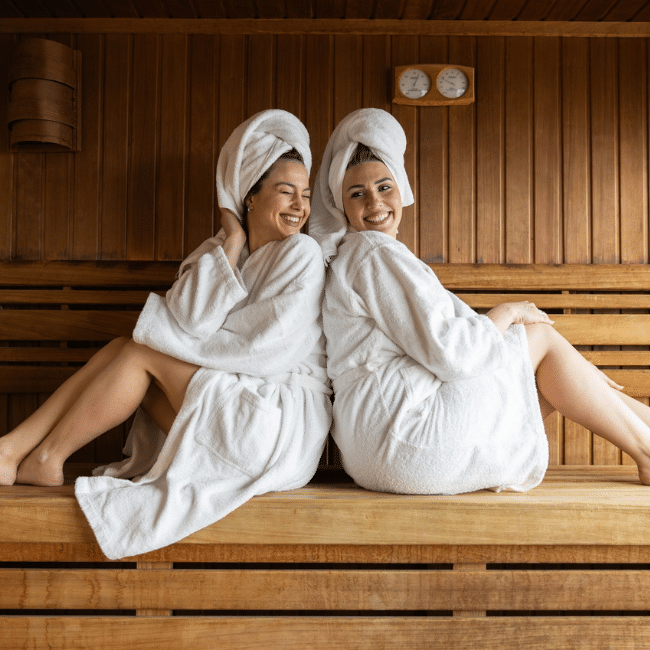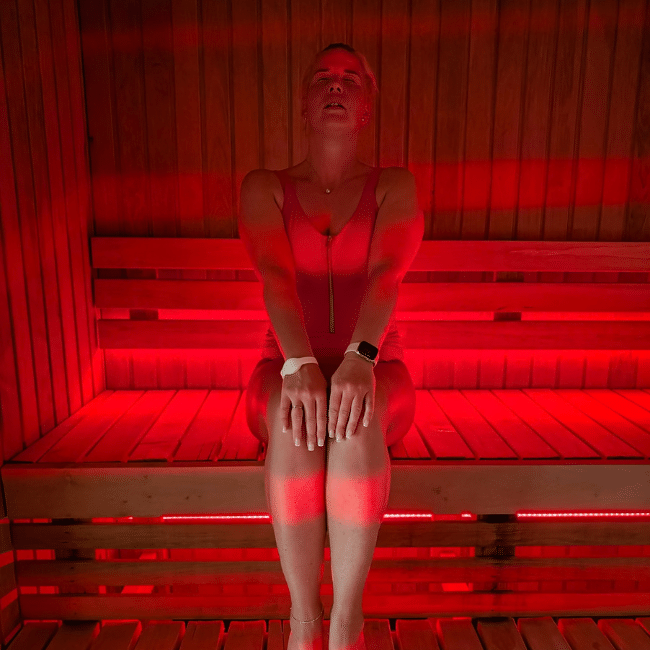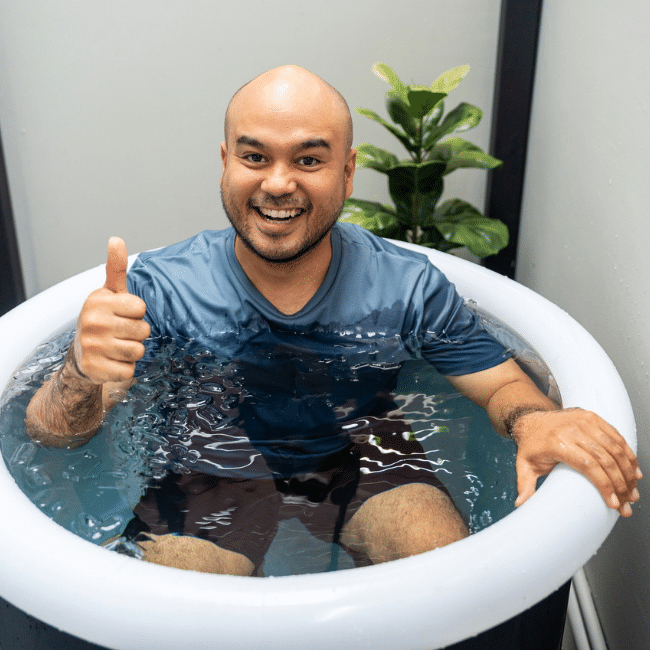
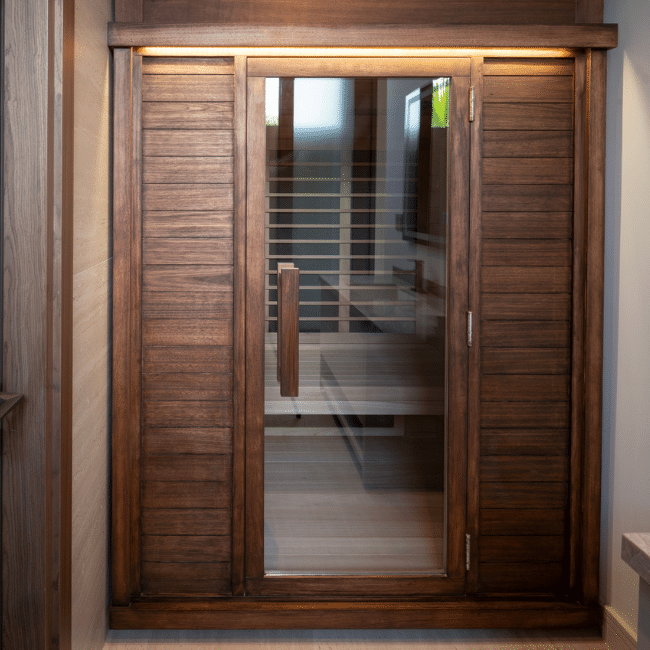
A sauna and cold plunge setup can give homeowners two very different wellness experiences in one space. The sauna provides heat and a place to slow down, while the cold plunge creates a quick shift to a much colder environment. Some people enjoy alternating between the two as part of a recovery or relaxation routine, but the combination is not right for everyone. Before creating a home setup, think about space, drainage, access, temperature extremes and any personal health concerns that could make heat or cold exposure unsafe.
What Is A Sauna Cold Plunge Routine?
A sauna and cold plunge routine involves spending time in a heated sauna and then using a cold plunge, usually as separate stages of the same wellness session. Some people alternate between heat and cold more than once, while others use the sauna first and finish with a brief cold experience. There is no single routine that works for everyone, and more intense does not automatically mean better.
For a home setup, the bigger question is whether both experiences fit naturally into your routine. If you enjoy sauna use but dislike extreme cold, adding a plunge just because it is popular probably will not create much value. The best home wellness space should support habits you actually want to continue.
Why Do People Combine Sauna And Cold Plunge?
People often combine sauna and cold plunge use because the contrast between heat and cold creates a distinct sensory experience. Some people include it in fitness recovery routines, while others use it as a way to shift from intense heat into a cooler, more alert feeling. The experience itself is one of the main reasons the pairing has become popular.
Wellness claims around hot and cold exposure should stay realistic. A sauna or cold plunge should not get treated as a cure for medical conditions or a replacement for exercise, sleep, nutrition or medical care. Research into heat and cold exposure continues to develop, and individual responses can vary. Homeowners should focus on comfort, routine and responsible use rather than expecting dramatic health results.
Should The Sauna And Cold Plunge Be Close Together?
Yes, placing the sauna and cold plunge reasonably close together can make the space easier and safer to use. People should be able to move between them without navigating long paths, stairs, slippery surfaces or clutter. That does not mean the two pieces of equipment need to sit side by side, but the transition should feel simple.
A well-planned layout can include clear walking paths, non-slip surfaces, towel storage and a comfortable place to sit between stages. If the setup is outdoors, lighting becomes important for evening use. Good design turns the area into one connected wellness space instead of two unrelated products placed wherever there happened to be room.
What Does A Cold Plunge Setup Need?
A cold plunge setup needs a stable location, access, drainage and enough surrounding space for safe entry and exit. The exact requirements depend on the cold plunge system, so homeowners should review product specifications before choosing the final location. You also need to think about how water care, cleaning and service will work over time.
Drainage deserves special attention because people will carry water out of the plunge when they exit. The surrounding surface should handle moisture without creating a slippery path between the cold plunge and sauna. Planning this before installation can prevent a wellness space from becoming frustrating or difficult to maintain.
What Does The Sauna Side Of The Space Need?
The sauna needs proper electrical planning, ventilation, clearance and access based on the specific model and heater. A Tylö sauna should fit into the full wellness area without blocking walking paths, crowding the cold plunge or making service access difficult. The sauna door, nearby seating and transition area should all feel easy to use.
Homeowners should also think about what happens after leaving the sauna. A clear path to the cold plunge, shower or cool-down area can make the experience feel more intentional. Planning the entire routine before installation often creates a better result than choosing individual products first and trying to make the layout work later.
Can A Sauna And Cold Plunge Go Outdoors?
Yes, a sauna and cold plunge can become part of an outdoor wellness space when the property supports the installation. Outdoor placement can create a private retreat and make it easier to connect the sauna, plunge, seating and other backyard features.
For Myrtle Beach and Grand Strand homeowners, outdoor planning should account for heavy rain, humidity, drainage, storms and coastal exposure. Equipment needs a stable site and convenient access from the house. Homeowners should also consider how often they will want to walk outside during bad weather. A beautiful setup only adds value when it remains practical enough to use regularly.
Is A Sauna And Cold Plunge Safe For Everyone?
No. Extreme heat and cold exposure are not appropriate for everyone, and people with certain medical conditions or health concerns should talk with a qualified health care professional before starting a sauna and cold plunge routine. Sudden temperature changes can place stress on the body, so anyone who feels dizzy, faint, unusually short of breath or unwell should stop.
People should also avoid treating cold exposure like a competition. Staying colder or remaining in the water longer does not automatically create a better experience. Beginners should approach both sauna heat and cold exposure gradually and pay attention to how they feel.
How Should Beginners Approach Contrast Therapy?
Beginners should start conservatively and learn how their bodies respond to heat and cold separately before creating an intense alternating routine. You do not need to move directly from a long sauna session into extremely cold water to make use of both products. Comfort and consistency matter more than pushing limits.
It can also help to build a routine around the experience rather than a strict challenge. Some homeowners might prefer sauna use followed by a short cold plunge, while others might use the two at different times. A home wellness setup gives you the flexibility to find a pattern that fits your preferences instead of following someone else’s routine.
How Do You Design A Complete Home Wellness Space?
Start with the activities you will use most, then design around movement between them. A sauna, cold plunge, hot tub, shower, seating area and towel storage can all work together when the layout has enough room. Think about privacy, lighting, drainage, electrical needs and service access before choosing exact locations.
Elko Spas, Billiards and Pools can help Myrtle Beach and Grand Strand homeowners explore Tylö sauna options and think through how a sauna fits into a larger wellness space. Planning the full area first makes it easier to create something that feels comfortable, useful and realistic for everyday life.
Build A Wellness Routine That Fits You
A sauna cold plunge combination can create a unique home wellness experience, but the goal should not be to follow a trend or push the body to extremes. The best setup supports a routine you enjoy, gives you enough room to move safely and fits the way you use your home. Elko Spas, Billiards and Pools can help Grand Strand homeowners plan Tylö sauna spaces and complementary wellness areas with placement, access and long-term use in mind.
FAQs
1. Should You Use A Sauna Before Or After A Cold Plunge?
Many people choose to use the sauna before a cold plunge because it creates a clear transition from heat to cold. However, there is no single routine that fits everyone. Personal comfort, experience and health considerations should guide how you use the two.
2. How Close Should A Cold Plunge Be To A Sauna?
A cold plunge should sit close enough to the sauna that you can move between the two safely and comfortably. The route should have clear walking space, good lighting and surfaces that can handle water without becoming dangerously slippery.
3. Can Anyone Use A Sauna And Cold Plunge Together?
No. Extreme heat and cold can create risks for some people. Anyone with medical conditions, cardiovascular concerns or uncertainty about temperature exposure should talk with a qualified health care professional before beginning a sauna and cold plunge routine.